






When you’re selling something that isn’t a vehicle, business equipment, furniture, machinery, or an entire book of business assets, a bill of sale is still the document that protects both sides of the deal. It’s the paper trail that proves who owned what, what changed hands, and for how much.
This guide covers the two bill of sale types that get the least attention online: general personal property and business asset sales. If you’re selling a car specifically, see our vehicle bill of sale guide instead.
What a Business or Personal Property Bill of Sale Actually Does
A bill of sale is a signed record confirming that ownership of an item or set of assets transferred from a seller to a buyer, at an agreed price, on an agreed date. Unlike a vehicle title, most personal property and business assets have no government-issued ownership document; the bill of sale is the proof.
That makes it especially important for:
- Business asset sales equipment, inventory, furniture, fixtures, or an entire asset package sold as part of a business transition
- General personal property furniture, electronics, tools, collectibles, or equipment sold privately
- Partial business transfers situations where a business is winding down and selling off specific assets rather than the whole entity
Key Elements Every Bill of Sale Should Include
Regardless of what’s being sold, a solid bill of sale covers the same ground:
Party information. Full legal names and current addresses for both buyer and seller. For a business sale, include the legal business name and the authorized signer’s title.
Asset description. Be specific. “Assorted office equipment” invites disputes; “12 Herman Miller Aeron chairs, 3 conference tables, 1 HP LaserJet Pro printer (serial #XXXX)” doesn’t. For business asset sales, an itemized schedule attached to the bill of sale is standard practice.
Sale price and payment terms. State the total price, any deposit already paid, the remaining balance, and how and when it’s due. If assets are being sold in a lump sum as part of a larger business deal, note whether this bill of sale covers only a portion of that transaction.
Condition and “as-is” language. Most private-party and business asset sales are sold as-is, with no warranties beyond what the seller explicitly states. Say so directly to limit future liability.
Liens and encumbrances. For business assets in particular, confirm the assets are free of liens, or disclose any that exist. A buyer taking on encumbered equipment without knowing it is a common source of disputes.
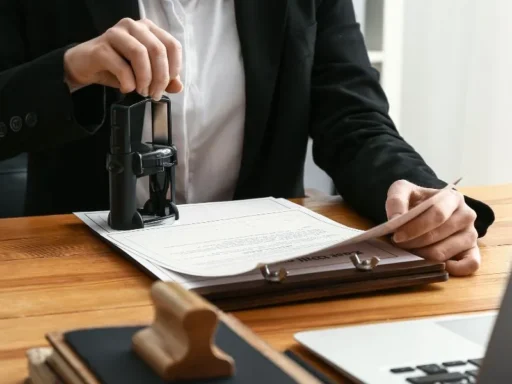
Signatures, dates, and notarization. Both parties sign and date the document. Notarization isn’t always legally required, but it adds a layer of verification that’s hard to dispute later, particularly valuable for higher-value business transactions where more money and more parties are involved.
Why Notarization Matters More for Business Sales
A private sale of a used couch rarely needs a notary. A business asset sale involving tens of thousands of dollars, multiple stakeholders, or financing tied to the transaction is a different story. Notarization confirms the identity of the signers and creates a tamper-evident record useful if the sale is ever challenged by a creditor, business partner, or in a tax dispute.
BlueNotary lets you get a business or personal property bill of sale notarized online in minutes, without a trip to a notary’s office. You upload the document, verify your identity, and connect with a commissioned notary over live video to get started here.
How to Customize Your Bill of Sale
- Start with the parties. Confirm legal names match government-issued ID, especially for business entities where the signer may differ from the entity name.
- List every asset separately if more than one item is included, with enough detail that a third party (a court, an accountant, an insurer) could identify the item without guessing.
- Decide on warranties. Most sellers prefer “as-is” language; buyers of business equipment sometimes negotiate limited warranties on functioning condition. Put whatever you agree to in writing.
- Check state and industry requirements. Some states require bills of sale for certain business asset transfers to be filed or recorded, particularly when real property or significant equipment is involved. When in doubt, confirm with your state’s Secretary of State office or your attorney.
- Keep signed copies physical and digital for at least five years, longer if the sale has tax implications like depreciation recapture on business equipment.
Bill of Sale vs. Other Transfer Documents
A bill of sale isn’t the same as a purchase agreement or a formal contract; it’s typically shorter and confirms the transaction happened, rather than laying out extended terms, contingencies, or financing structures. For larger business sales, it’s common to have both: a purchase agreement governing the deal’s terms, and a bill of sale as the final proof-of-transfer document once the sale closes.
Frequently Asked Questions
Do I need a lawyer to write a business asset bill of sale?
Is a notarized bill of sale legally required for business assets?
Can one bill of sale cover multiple assets?
What happens if a bill of sale is missing information?
How is this different from a vehicle bill of sale?