



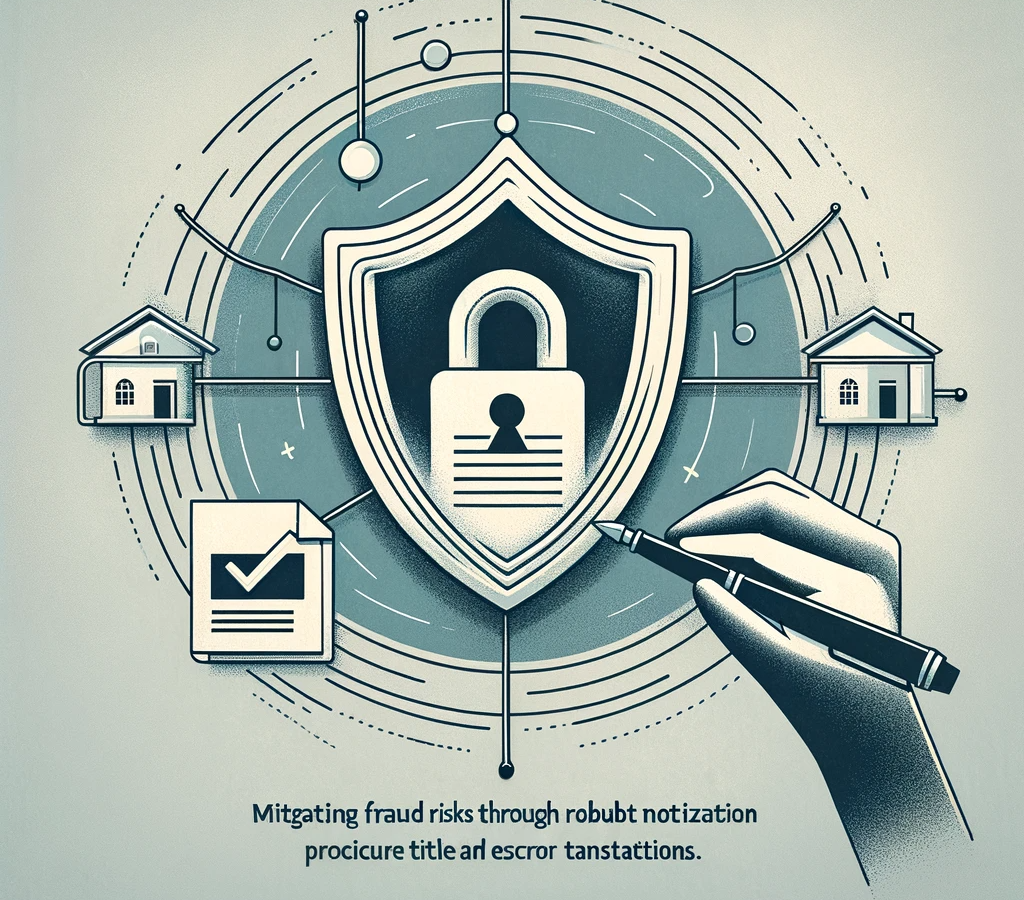

In the domain of title and escrow transactions, fraud risks is a significant problem that not only violate the hearing and sight of these big…… The main thing to keep these operations secure is in part the active application of the notarization process.
Notarization, the most crucial element in recognizing the legality of the documents and the identity of the parties involved, is a powerful protection against fraud activities. This piece of writing will be all about different techniques and new technologies, such as implementing mobile notaries and the new platform BlueNotary with its mobile notary services, that will change the face of the notary process.
The purpose of investigating these new phenomena is to give readers a pragmatic the businesses and individuals could follow in order to save their property transfer and escrow activities from fraud. The guide may prove helpful in preventing abuse and deceit in a process that can be easily faked.
Key Takeaways
- Enhanced security through stringent notarization procedures is crucial in title and escrow transactions.
- Integrating technology, such as mobile notary services and online platforms, streamlines the process and enhances security.
- Awareness and education about potential fraud risks and the importance of proper notarization are vital for all parties involved.
Understanding the Fraud Risks in Title and Escrow Transactions
One of the main aspects of real estate, title and escrow transactions include the transfer of property titles and the management of considerable amounts of money. Still, these transactions are the objects of criminals’ attention to fraud because they are complicated and have high value. Realizing these dangers is the initial step in fighting off the fraud effectively.
Being the source of huge amounts of financial wealth, the process of passing the ownership of title and escrow is quite interesting of temptation by cybercriminals. The hands exchanging the money at the deal represent the easy opportunities to gain profits via illegal ways.
Common Types of Fraud Risks
1. Identity Theft: The unauthorized use of another person’s identity for commercial transactions is known as identity theft. In particular, the cybercriminals can steal other people’s identities to misrepresent themselves as property sellers or acquire a property to swindle through the deal.
2. Forged Documents: The act of coming up with bogus documents like property certificates or identification papers is widely used as a ruse. The contrived documents aim to deceive the other parties of the transaction, as a result of which they unwittingly transfer property ownership or funds to the fraudsters.
3. Impersonation: In this scam, crooks assume the identity of another person who is typically the rightful owner of a property, a realtor, or a lawyer. The main objective of this hoax is to gain illegal control over the title of the property or redirect the financial flow.
Why Title and Escrow Transactions are Vulnerable
1. Complex Processes: The number of processes and the need to stay within the law mentioned in title and escrow transactions are vulnerable to fraud. The intricacy can also cause the participants to miss the irregularities that occur.
2. Multiple Parties Involved: Normally, transactions happen at the expense of more than just one person; such parties may include buyers, sellers, agents, and lenders. So, fraudsters can easily join the system without anybody noticing.
3. Reliance on Documentation: Title and escrow transactions are based on documents that generally can be fake or modified by expert fraudsters.
The Need for Robust Prevention
If we take into account the risks, it becomes evident that offsetting them by taking proper precaution are a must. These include the confirmation of identity, careful examination of the documents, and the utilization of reliable notaries. Moreover, it is of paramount importance that every party involved strives to be aware and be educated about the issues and risks.
When one is well aware and takes steps to fix these problems, the safety of titles and escrow transactions can be greatly increased thereby, creating an environment in which genuine buyers, sellers, and investors will be protected from fraudulent activities in the real estate market.
The Role of Notarization in Preventing Fraud Risks
Notarization is an extra layer of protection against fraud in these transactions. The notary public is in charge of confirming the identities of the signatories. Just make sure that the involved persons are those they say they are.
This way of doing the transaction prevents scammers from engaging in illegal activities by carrying out processes that confirm the information given and that deal with violations. The notary’s stamp and signature instill confidence that the documents have been checked and that the persons have been duly identified. Besides, it makes fraudsters’ job more complicated as they are no longer sure to succeed.
Mobile Notary Real Estate Closing
The emergence of mobile notaries has given an extra touch to real estate closings. This personnel goes to the client’s place and thus providing the convenience and the efficiency of the process. Mobile notaries are extremely helpful, especially in cases when the parties involved cannot meet each other in person. They significantly contribute to the error-free operation of the notarization process. Even in not the most usual of places.
Strategies for Effective Notarization
Effective notarization strategies are essential in safeguarding title and escrow transactions against fraud. These strategies include stringent identity verification, detailed record-keeping, and the use of advanced technology.
Stringent Identity Verification
Establishing a strong identity is the foundation of a notarization process that is reliable and high-performance. This calls for the checking of more than one identification all while matching data to confirm that every party is legitimate. Notaries are knowledgeable in identifying fake IDs and verifying the identity of the person they are meeting. They also do it with the help of many ways like the use of biometric data where feasible. This exacting procedure is of great assistance in keeping the person’s identity safe and is the least common trick employed in the fraud business.
Detailed Record-Keeping
Maintaining detailed records of notarization activities is crucial for legal and verification purposes. This includes keeping logs of the identities of signatories and the notary, as well as details of the documents notarized. Such records are invaluable in case of disputes or investigations, providing a clear trail of the transaction process. Fraud is also discouraged by them. since those who commit crimes are aware that their acts are being recorded.
Escrow for Business Transactions
In business transactions, escrow services act as a neutral third party to hold funds until the transaction is completed. Notarization in these scenarios ensures that the terms of the agreement are clearly understood and agreed upon by all parties. It adds a layer of security and trust to the transaction, reducing the risk of fraud.
The Impact of Technology on Notarization
The integration of technology in notarization has revolutionized the process, making it more secure and accessible. Online notarization platforms, like BlueNotary, offer remote online notarization (RON), allowing documents to be notarized digitally.
Online Notarization Platforms
Online notarization platforms provide a secure and efficient way to notarize documents remotely. These platforms use advanced technologies like biometric authentication, electronic signatures, and video conferencing to ensure the legitimacy of the signing process. They offer a convenient solution for parties who cannot be physically present, reducing the time and cost associated with traditional notarization.
BlueNotary and Online Notarization
BlueNotary is a leading online notarization platform that offers remote online notarization services. It provides a secure, efficient, and user-friendly solution for notarizing documents online.
BlueNotary uses state-of-the-art security measures, including identity verification and digital record-keeping, to ensure the integrity of the notarization process. This makes it an ideal choice for businesses and individuals looking for a reliable and convenient notarization service.
Frequently Asked Questions
What is the role of a notary in title and escrow transactions?
A notary verifies the identity of the parties involved, ensuring the authenticity of the signatures and documents.
How does mobile notary service enhance the notarization process?
Mobile notaries provide convenience and efficiency by traveling to the client’s location for document signing.
What are the benefits of using an online notarization platform like BlueNotary?
BlueNotary offers secure, efficient, and accessible notarization services, leveraging technology to prevent fraud.
Can online notarization be used for all types of documents?
Most documents that require notarization can be processed online, but it’s important to check specific state laws and regulations.
How can I ensure the notary I’m using is legitimate?
Verify the notary’s credentials and look for reviews or references. For online notarization, use reputable platforms like BlueNotary.