






An affidavit of heirship is a sworn, notarized statement that identifies a deceased person’s heirs and family history, usually when there is no probate. In Texas it can be recorded in the county deed records for real property. It does not replace a court order, and title companies decide whether to accept it.
This is general information, not legal advice. Texas is the main example, and other states use different rules and names. An attorney can tell you whether an affidavit fits your situation.
What is an affidavit of heirship?
An affidavit of heirship, also called a heirship affidavit, affidavit of heirs, or affidavit of inheritance, is a sworn statement describing a deceased person’s family history and naming the people who inherit. Some places use other labels, such as affidavit of descent, so ask the office that will receive it what it calls the document.
In Texas, the statute treats a statement of facts about family history, marital status, or the identity of heirs as prima facie evidence if it is in an affidavit or instrument acknowledged or sworn to before an authorized officer, and has been of record for five years or more in the deed records of the county where the property is located or where the decedent lived (Tex. Est. Code § 203.001). A Texas law firm describes it as a sworn statement identifying the heirs, usually recorded in the county records where the decedent owned property (Barsalou Law).
When do you use an affidavit of heirship, and what can it not do?
It is most useful when someone died without a will, owned real estate or a vehicle, and there is no dispute about who the heirs are. It does not override creditors’ claims or the rights of omitted heirs, and it can be challenged in court. For complex estates or disputes, probate or a court heirship proceeding is usually safer.
| Situation | Does an affidavit fit? | Notes |
| No will, one house, heirs agree | Often yes | Recorded in county deed records; title company decides whether to insure |
| Inherited vehicle, no probate | Yes, on the state form | In Texas, TxDMV Form VTR-262; signatures notarized |
| Heirs disagree or an heir is unknown | Usually no | A court heirship proceeding may be needed |
| Significant debts or creditor claims | Not alone | The affidavit does not override creditors’ claims |
| A will exists | Depends | Texas generally requires a will to be probated, often within four years; ask an attorney |
These points come from a Texas law firm’s explanation that the affidavit does not override creditors’ claims or omitted heirs’ rights and may not suffice for complex estates or disputes (Payne Law), and from a guide noting that filing an heirship affidavit is straightforward only where there is no ambiguity about the heirs and no dispute among them (LoneStar Land Law). Legal validity and title insurability are different questions: a title company may accept the affidavit, ask for more, or require every heir to join in a deed or a court to determine heirship (Deeds.com).
What does an affidavit of heirship form include?
A typical form identifies the person who signs, the decedent and date of death, whether there was a will, each heir with relationship and share, marital history, and any real property or vehicle involved. It ends with a statement that there are no other known heirs, a signature, and a notary certificate. Texas offers a suggested, non-mandatory form.
| Part | What it covers |
| Affiant | Name, address, relationship to the decedent, and how long the affiant knew the family |
| Decedent | Full name, date and place of death, and last residence |
| Will status | Whether the decedent left a will and whether it was probated |
| Family history | Marriages, divorces, children, and deceased relatives who affect who inherits |
| Heirs | Each heir’s name, relationship, and share of the estate |
| Property | Legal description for real estate, or vehicle details such as the VIN |
| Statements | No other known heirs, no unpaid claims except those stated, and a statement that facts are true |
| Signature and notary | Signature before a notary, jurat or acknowledgment, seal, and date |
Texas Estates Code Section 203.002 provides a minimal, non-mandatory form for an affidavit concerning the identity of heirs (LoneStar Land Law). A U.S. Department of Justice resource manual includes a sample heirship affidavit asking for the decedent’s death date, the affiant’s relationship, a list of heirs with ages and addresses, whether there was a will, and the value of the estate (DOJ Resource Manual). A blank affidavit of heirship form can be a starting point, but a generic form may not fit your facts or your county, so have it reviewed before you sign.
Who signs an affidavit of heirship, and why do witnesses need to be disinterested?
In Texas practice, the affidavit is usually signed by two disinterested witnesses who knew the decedent and the family for years. Disinterested means they do not benefit from the estate. This protects the record, because title companies want a statement from someone with no financial stake.
Texas law firm guides say the affidavit is commonly signed by two disinterested witnesses, often people who knew the decedent for ten years or more, and that heirs generally should not be the affiants because of their interest in the outcome (Barsalou Law; Murray Law). The statute itself requires that the statement be sworn or acknowledged before an authorized officer such as a notary (§ 203.001). The motor vehicle form works differently: each heir signs and has the signature notarized (Travis County Tax Office).
How do you file an affidavit of heirship?
Gather the family facts, find your witnesses, complete the affidavit, sign it before a notary, and record it with the county clerk where the property is located. Keep certified copies. Ask the title company early which form and witnesses it wants, so you do not redo the work.
1. Collect the facts: death certificate, marriages, children, and the legal description of any real estate.
2. Ask your title company or attorney which form and witnesses it requires.
3. Choose two disinterested witnesses who knew the family well, if your county or title company expects them.
4. Complete the affidavit carefully and leave signature lines blank.
5. Sign in front of a notary, who completes the jurat or acknowledgment.
6. Record the notarized affidavit in the county’s deed records where the property is located and keep certified copies.
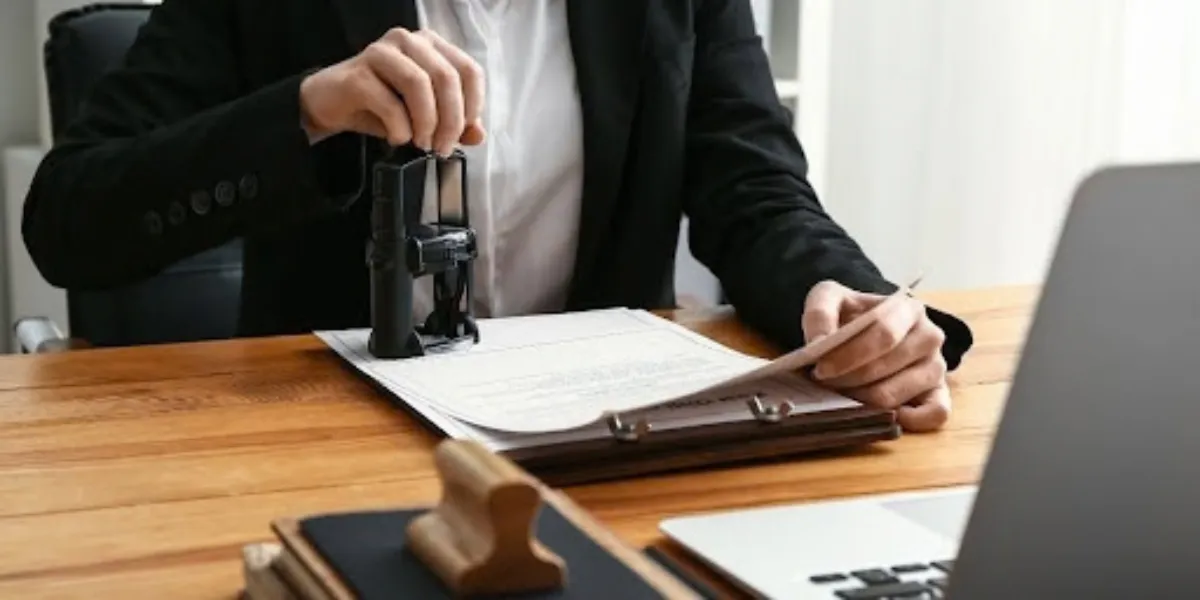
A Texas firm says the affidavit must be in writing, signed under oath before a notary, and recorded in the deed records of the county where the property is located (Murray Law). Note the five-year rule from Section 203.001: the recorded affidavit becomes prima facie evidence after five years, so a new affidavit is persuasive but not yet conclusive (Houston Probate Attorney), and one Texas guide says many title insurers are more comfortable once that period has run (texaslegal.guide).
How does an affidavit of heirship for a motor vehicle work?
In Texas, heirs of a deceased vehicle owner can use TxDMV Form VTR-262 when there is no will or no probate. Each heir signs and has the signature notarized. You submit it with the title application to the county tax office. Do not assume other states use the same form.
The TxDMV FAQ says that if the estate is not probated, a completed Affidavit of Heirship for a Motor Vehicle (Form VTR-262) is required, with all signatures notarized, along with the title and registration application (Form 130-U) (TxDMV FAQ). Travis County’s tax office adds that if there is more than one heir, each must sign and have the signature notarized, and that you must complete the odometer section, with one heir signing as seller and one as recipient (Travis County Tax Office). The official form is on the TxDMV site. Fees, taxes, and extra documents vary, so check with your county tax office.
Can you notarize an affidavit of heirship online, and what does it cost?
Often yes, where state law allows remote notarization and the receiving office accepts it. Heirs and witnesses in different places can each sign on video. Confirm first that the county clerk or tax office accepts an online notarization, because recorders and agencies have their own rules.
On BlueNotary, the steps follow its signer instructions, last updated July 14, 2026: upload an unsigned PDF, choose Notarize Now or schedule, add additional signers, verify your identity, and join the session. For several people, see the multiple-signer process. BlueNotary’s help center says it can accept most documents, excluding those submitted to a foreign embassy, codicils and testamentary trusts, and Form I-9, and that acceptance is up to the receiving party. The identity guide lists accepted IDs.
One notarization with one stamp is $25, each additional stamp is $8, and each additional signer is $5, with a witness free if you bring one and $10 if BlueNotary provides one (checked October 2026). An affidavit with two witnesses signing in one session would be $25 plus $5, or $30 (hypothetical total from the fee schedule). BlueNotary’s eSign is for documents that need only a signature, not a sworn, notarized one. An in-person notary or an attorney may be better for contested estates or when the office needs a paper original. See the pricing page and the remote online notarization page.
Have your affidavit ready? Notarize Your Affidavit of Heirship Online with BlueNotary after you confirm the receiving office accepts it.
FAQs
1. What is an affidavit of descent?
It is a name some places use for a sworn statement identifying heirs, similar to an affidavit of heirship. Terms and rules vary by state, so ask the recorder or agency what it calls and accepts.
2. Does an affidavit of heirship transfer title?
Sources differ. Some say a recorded affidavit completes the chain of title, while title companies may ask for a deed from all heirs or a court determination. Ask your title company.
3. Can I use a blank affidavit of heirship form?
You can, but check it against your state’s rules and the receiving office’s requirements. Texas has a suggested, non-mandatory form, and the motor vehicle version has its own TxDMV form.
4. Do I need a lawyer?
Not always for a simple estate, but an attorney helps when heirs disagree, debts exist, a will is involved, or a title company asks for more.
5. Is an affidavit of heirship the same as probate?
No. It is a non-court way to record who the heirs are, while probate is a court process. Probate may be needed for wills, debts, or disputes.