




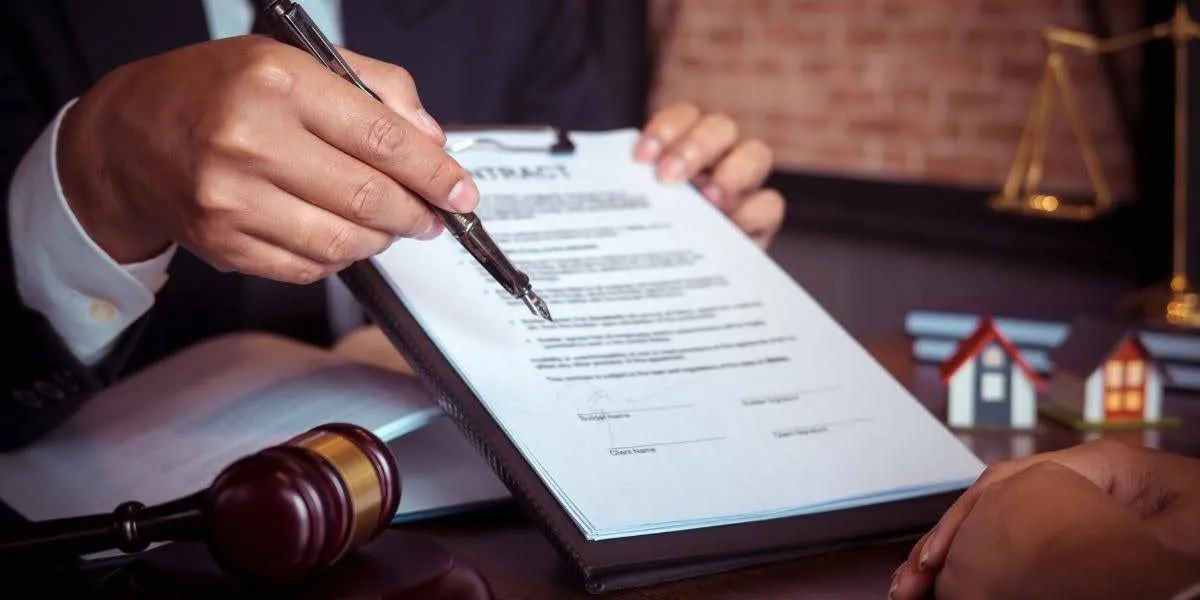

In short, a notary verifies who signed a document, while an apostille verifies the notary or official for use in another country. A notary public checks the signer’s identity and witnesses the signature. An apostille is a certificate issued by a designated government authority, usually a state Secretary of State, that confirms the notary’s or official’s signature and seal. Notaries cannot issue apostilles.
If your document will be used abroad, you often need both, in a specific order. This guide explains each step, what it costs, and when an online notarization can be apostilled.
Apostille vs notary at a glance
A notarization happens first and focuses on the person signing. An apostille comes later and focuses on the official who signed or sealed the document. One is a domestic fraud-prevention step. The other makes a US public document recognizable in countries that belong to the Hague Apostille Convention.
| Notarization | Apostille | |
|---|---|---|
| Who performs it | A commissioned notary public | A designated competent authority, such as a Secretary of State or the US Department of State |
| What it confirms | The signer’s identity and signature | The authenticity of the official’s signature, their capacity and any seal |
| Does it validate the content? | No | No |
| Where it’s used | Mainly in the United States | In Hague Convention member countries |
| Typical cost | $25 for one online notarial certificate on BlueNotary | $10 to $20 per document in the states listed below; $20 for federal documents |
| Who you contact | Any eligible notary, in person or online | The authority for the state or agency that issued or notarized the document |
The idea that an apostille doesn’t validate content comes directly from the source. The Hague Conference’s Apostille Handbook states that an apostille does not relate in any way to the content of the underlying document (HCCH Apostille Handbook), and the California Secretary of State says the same on its apostille FAQ.
What does a notary do?
A notary public is a state-commissioned official who verifies a signer’s identity, confirms they are signing willingly, and completes a notarial certificate. Notarization deters fraud. It doesn’t make a document legal, true or valid abroad on its own.
The Texas Secretary of State describes each notary as an official of integrity who serves as an impartial witness in performing fraud-deterrent acts related to signing important documents (Texas SOS). In practice, the notary:
- Identifies the signer through an acceptable ID, personal knowledge or a credible witness, depending on state law
- Confirms the signer appears before them, in person or by approved audio-video technology
- Completes the notarial certificate, such as an acknowledgment or jurat, and applies the seal
You can do this online through remote online notarization (RON), where a commissioned notary meets you by live video. See how BlueNotary’s online notary service works.
What does an apostille do?
An apostille is a standardized certificate that authenticates the signature, capacity and seal of the official on a public document so it can be used in another member country of the Hague Apostille Convention. It replaces the longer embassy legalization process between member countries.
Article 5 of the Apostille Convention says a properly completed apostille certifies the authenticity of the signature, the capacity in which the signer acted and, where appropriate, the identity of the seal or stamp. Article 1 lists notarial acts among the public documents the Convention covers, which is why a notarized document can receive an apostille.
The Convention has 130 contracting parties, according to the HCCH status table last updated in June 2026. Recent additions include China (in force November 7, 2023), Canada (January 11, 2024) and Viet Nam (September 11, 2026). Thailand’s accession is scheduled to take effect on February 28, 2027. Our Hague Apostille country list is a quick reference, but check the HCCH table for the latest status.
For background on the term itself, read our apostille meaning guide.
Is there such a thing as an apostille notary?
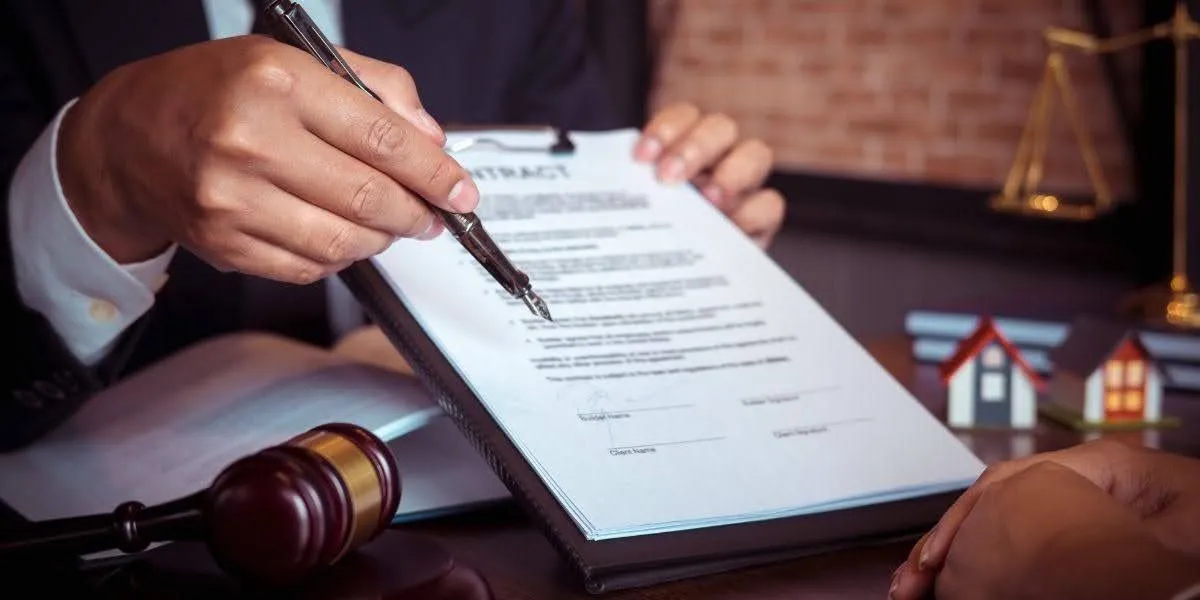
No. A notary can notarize the signature on a document that later receives an apostille, but only a designated authority can issue the apostille itself. Searches for “apostille notary” or “notary apostille” usually describe this two-step process, not a special kind of notary.
State authorities are explicit about this. The Texas Secretary of State answers “No” when notaries ask whether they can issue apostilles, and says its office is the only agency that can issue them in Texas (Texas SOS FAQ). Florida says only the competent authority can issue an apostille (Florida DOS).
Federal documents follow a separate path. The US Department of State’s Office of Authentications issues apostilles for documents signed by federal officials, and it will not issue apostilles for state-issued documents (travel.state.gov). Our guide on whether a notary can apostille a document covers this in more detail.
Notarized and apostilled: the order of steps
For a privately signed document, such as a power of attorney or an affidavit, the usual order is to notarize first and then request the apostille from the notary’s commissioning state. Public records such as birth certificates follow a different path and should not be notarized.
- Check the destination country. Confirm whether it is a Hague member and what the receiving office needs, including any translation.
- Notarize the document. Sign before a notary commissioned in the state that will issue the apostille. California advises having the document notarized before submitting an apostille request (California SOS).
- Add any county step. In New York, notarized documents must first be certified by the county clerk where the notary is qualified (New York DOS).
- Request the apostille. Submit the document and fee to the state authority.
- Send the document abroad. Include any required translation.
Current apostille fees in four states:
| State | Fee per document | Source |
|---|---|---|
| California | $20 per apostille (plus $6 per signature for in-person handling) | California SOS |
| Texas | $15 ($10 for adoption documents) | Texas SOS |
| Florida | $10 per notarized document | Florida DOS |
| New York | $10 per document | New York DOS |
For federal documents, the State Department charges a nonrefundable $20 per document and processes mailed requests within about five weeks (travel.state.gov).
Don’t notarize an original public record. The State Department warns that an original document will no longer be valid if it is notarized (travel.state.gov). Vital records receive apostilles based on the issuing official’s signature.
How long does an apostille take?
Timing depends on the issuing office. The US Department of State processes mailed requests for federal documents within about five weeks and walk-in drop-offs within about seven business days (travel.state.gov). State processing times vary, so check the relevant Secretary of State’s website before you plan around a deadline.
Example: a power of attorney for use in Spain (hypothetical)
Alex lives in Texas and needs to give a relative in Spain authority to handle a bank matter there. Spain is a Hague member, so the steps are:
- Alex signs the power of attorney before a Texas-commissioned notary.
- Alex sends the notarized document and the $15 fee to the Texas Secretary of State for an apostille.
- If the Spanish bank requires a Spanish version, Alex arranges a translation that meets its requirements.
- Alex sends the apostilled document to the relative in Spain.
If Alex notarizes online with a Texas-commissioned online notary, Texas can still apostille the document with the notary’s ledger entry and certificate. However, the Spanish recipient decides whether it accepts an online notarization, so Alex should ask first.
Hague and non-Hague countries
An apostille only works in countries that belong to the Hague Apostille Convention. For other countries, you usually need an authentication certificate followed by legalization at that country’s embassy or consulate, which takes longer.
The State Department’s Office of Authentications issues apostilles for documents used in Convention countries and authentication certificates for documents used in countries outside it (travel.state.gov). Legalization, defined in Article 2 of the Convention, is the formality by which a country’s diplomatic or consular agents certify the authenticity of a signature. The Texas Secretary of State notes that documents for non-member countries need additional authentication from the State Department (Texas SOS).
Can you notarize online and then get an apostille?
Sometimes. It depends on the state that commissioned the notary. Texas apostilles online notarizations with supporting records, while several states currently decline electronic notarizations. States also generally authenticate only their own notaries, so check before you book.
State positions checked in September 2026:
- Texas: accepts online (RON) notarizations for apostille with the notary’s ledger entry and a true and accurate notarial certificate, and warns that some countries do not accept online notarized documents (Texas SOS).
- Virginia: currently cannot authenticate an electronic notarization with an apostille (Virginia).
- Delaware: does not accept remotely or electronically notarized documents for apostille (Delaware).
- Wisconsin: accepts only wet-ink notarizations performed by a Wisconsin notary (Wisconsin SOS).
- Minnesota: treats a printed, electronically signed notarized document as a copy that must be notarized again before an apostille is issued (Minnesota SOS).
Florida and Virginia also state that they can only apostille documents signed by their own notaries or officials (Florida DOS, Virginia). Before you book an online session for a document that needs an apostille, ask which state the notary is commissioned in and confirm that state’s policy.
Common reasons apostille requests are rejected
Most rejections come from a mismatch between the document, the notary’s state and the issuing authority. Review this checklist before you submit:
- The notary was commissioned in a different state from the one you sent the request to
- The state doesn’t accept electronic or remote notarizations for apostille
- An original vital record was notarized instead of being sent as issued
- A required county clerk certification was skipped
- The destination country isn’t a Hague member and needs authentication and legalization instead
- A federal document was sent to a state office instead of the US Department of State
- A foreign-language document arrived without the translation the destination country requires
Not sure whether your document needs a notarization, an apostille or both? Email BlueNotary at [email protected] and the team will help you sort out the steps.
Frequently asked questions
Is an apostille the same as a notary?
No. A notary verifies the signer’s identity and signature. An apostille is issued later by a government authority to authenticate the notary’s or official’s signature so the document is recognized in Hague Convention countries.
Do I need a notarization before an apostille?
For privately signed documents, usually yes. The apostille authenticates an official’s signature, so a personal document needs a notary’s signature first. Public records like birth certificates are apostilled directly.
Can a notary issue an apostille?
No. Only a designated competent authority can issue apostilles. In most states that is the Secretary of State. The US Department of State handles federal documents.
How much does an apostille cost?
State fees are often $10 to $20 per document. California charges $20, Texas $15, and Florida and New York $10. Federal apostilles cost $20 per document through the US Department of State.
Does an apostille make a document legally valid abroad?
Not by itself. An apostille confirms the official’s signature and seal, not the document’s content. The receiving country or organization still decides whether the document meets its requirements.
Can I apostille a document notarized in another state?
Generally, no. The apostille must come from the state where the notary is commissioned. Florida and Virginia, for example, only authenticate signatures of their own notaries and officials.
Need the notarization step done first? Start an online notarization with BlueNotary, and confirm your state’s apostille policy for electronic notarizations before your session.