






Remote online notary jobs are transforming the traditional notarization landscape, offering professionals a flexible way to provide notarial services from anywhere with an internet connection. Instead of being tied to a physical office or meeting clients in person, remote online notaries conduct document signings through secure video conferencing platforms that comply with state regulations. This shift represents one of the most significant changes in the notary industry in decades, opening up new career opportunities for both seasoned notaries and newcomers to the field.
The demand for remote online notary jobs has surged as businesses, legal professionals, and consumers increasingly value convenience and efficiency. Law firms, real estate agents, and title companies are actively seeking qualified remote online notaries to serve their clients’ needs without the constraints of geographic location or traditional business hours. These positions offer competitive compensation, flexible scheduling, and the ability to work with diverse clients across multiple industries.
Whether you’re considering a career change, looking to supplement your income, or seeking greater work-life balance, understanding remote online notary jobs is essential for making informed decisions about this growing field. This comprehensive guide will walk you through everything you need to know about these positions, from the fundamental requirements to the day-to-day responsibilities and earning potential.
What Is a Remote Online Notary Job?
A remote online notary job involves performing notarial acts through digital platforms rather than in-person meetings. Remote online notaries use specialized software to verify signers’ identities, witness document signings, and apply digital notarial seals—all through secure video conferencing technology. These positions represent a modern evolution of traditional notary work, leveraging technology to make notarization more accessible and convenient for all parties involved.
Key Insight: Remote online notary jobs combine traditional notarial responsibilities with modern technology, creating new opportunities for flexible, location-independent work in the legal services sector.
Core Responsibilities of Remote Online Notaries
Remote online notaries handle the same fundamental responsibilities as traditional notaries but execute them through digital channels. The primary duties include identity verification through multi-factor authentication processes, witnessing signatures via live video sessions, and maintaining detailed digital records of all notarial acts. These professionals must ensure that all signers understand the documents they’re signing and are acting willingly without coercion.
The verification process in remote online notary jobs typically involves three key components: credential analysis, knowledge-based authentication, and biometric verification. During credential analysis, notaries examine government-issued identification documents through high-resolution cameras and specialized software that can detect security features. Knowledge-based authentication requires signers to answer questions based on their personal history, while biometric verification compares live photos or videos to identification documents.
Documentation and record-keeping represent critical aspects of remote online notary jobs. Notaries must maintain comprehensive electronic records of each session, including video recordings, audit trails, and digital certificates. These records serve as legal proof of the notarization and must be stored securely according to state regulations, often for periods ranging from five to ten years.
Technology Requirements and Platforms
Remote online notary jobs require specific technological infrastructure to ensure security and compliance. Notaries typically work with specialized platforms that provide end-to-end encryption, tamper-evident technology, and comprehensive audit trails. Popular platforms include NotaryCam, Notarize, DocuSign Notary, and BlueNotary, each offering unique features and integration capabilities.
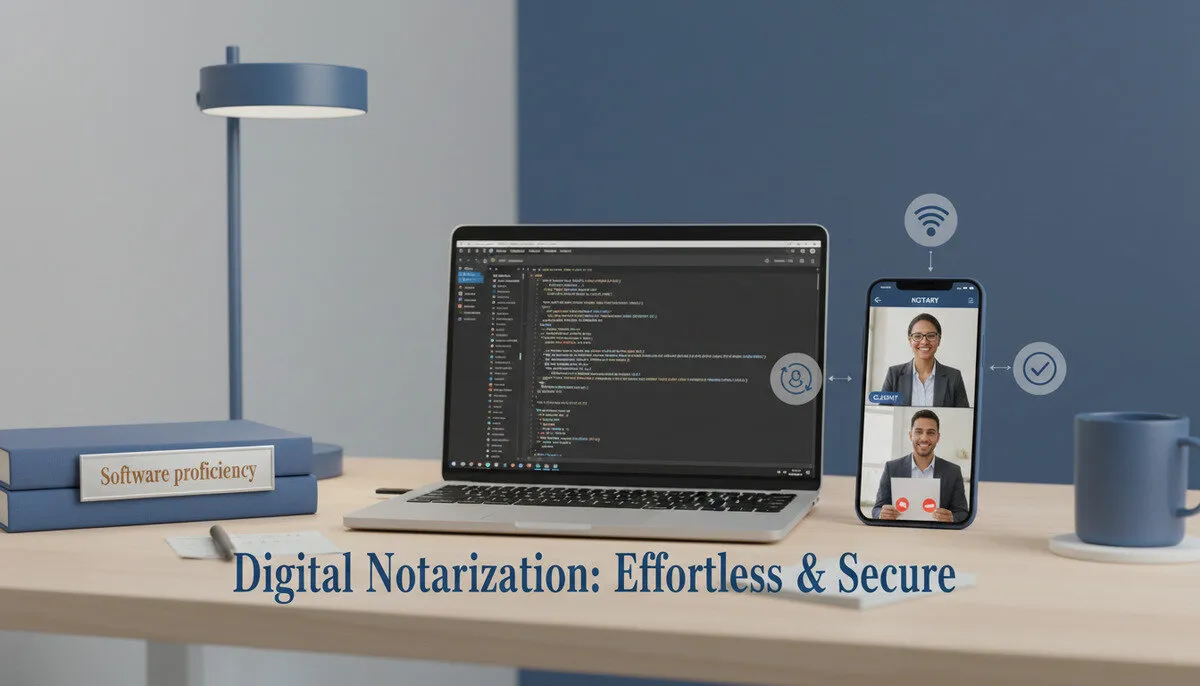
The hardware requirements for remote online notary jobs include a reliable computer or tablet with high-speed internet connectivity, a high-definition webcam, and quality audio equipment. Many employers provide specific technical specifications to ensure consistent service quality across their network of notaries. Some platforms also require dual monitors to efficiently manage document review and video conferencing simultaneously.
Software proficiency extends beyond the notarization platforms themselves. Remote online notaries often work with document management systems, customer relationship management tools, and scheduling applications. Familiarity with PDF editing software, electronic signature platforms, and basic troubleshooting skills can significantly enhance job performance and client satisfaction.
Legal Framework and Compliance
The legal landscape for remote online notary jobs varies significantly across states, with each jurisdiction establishing its own requirements and regulations. Currently, over 40 states have enacted legislation authorizing remote online notarization, though the specific rules and procedures differ considerably. Some states require notaries to be physically located within state boundaries when performing remote notarizations, while others allow for interstate services.
Compliance requirements in remote online notary jobs encompass multiple areas, including proper identity verification procedures, secure technology usage, and accurate record-keeping. Notaries must understand the specific laws governing their practice area and ensure that all procedures meet or exceed regulatory standards. This includes maintaining current certifications, completing required training programs, and staying informed about regulatory changes.
Professional liability insurance represents another crucial aspect of remote online notary jobs. While traditional notaries might rely on basic errors and omissions coverage, remote online notaries often need enhanced policies that address technology-related risks and interstate practice issues. Many employers provide insurance coverage as part of their compensation packages, though independent contractors typically need to secure their own protection.
How Remote Online Notary Jobs Work
The operational workflow of remote online notary jobs follows a structured process designed to ensure security, compliance, and efficiency. Understanding this workflow is essential for anyone considering entering this field, as it demonstrates the professional standards and technical competencies required for success.
The Client Onboarding Process
Remote online notary jobs begin with a comprehensive client onboarding process that establishes the foundation for successful notarization sessions. Clients typically schedule appointments through online platforms or are referred by partner organizations such as law firms, real estate agencies, or title companies. During the initial contact, notaries gather basic information about the documents to be notarized, the number of signers involved, and any special requirements or deadlines.
Pre-session preparation involves reviewing the documents to be notarized, ensuring they contain proper notarial certificate language, and identifying any potential issues that might complicate the process. Remote online notaries must verify that the documents are appropriate for remote notarization under applicable state laws and that all necessary parties will be available for the session. This preparation phase often includes sending pre-session instructions to clients, explaining the technology requirements and identity verification process.
The scheduling component of remote online notary jobs requires careful coordination to accommodate multiple time zones and varying client availability. Many notaries work flexible schedules, including evenings and weekends, to serve clients across different industries and geographic locations. Effective scheduling systems help maximize productivity while ensuring adequate time for thorough document review and preparation.
Identity Verification and Authentication
Identity verification represents the most critical security component of remote online notary jobs. The process typically begins with credential analysis, where specialized software examines government-issued identification documents for security features, formatting consistency, and signs of tampering. Advanced systems can detect subtle alterations that might not be visible to the human eye, providing an additional layer of security beyond traditional in-person verification methods.
Knowledge-based authentication (KBA) forms the second pillar of identity verification in remote online notary jobs. This process involves generating questions based on the signer’s personal history, credit reports, and public records. Questions might relate to previous addresses, loan amounts, or family members’ names—information that would be difficult for imposters to obtain. The dynamic nature of KBA questions, generated in real-time from multiple data sources, makes this verification method highly effective.
Biometric verification completes the identity verification trilogy by comparing live images or videos of the signer to their identification documents. Facial recognition technology analyzes key facial features and proportions to confirm that the person on the video call matches the photo on their government-issued ID. Some platforms also incorporate voice recognition or other biometric markers to enhance security further.
Pro Tip: Successful remote online notaries develop expertise in guiding clients through the identity verification process, helping them understand each step and troubleshooting common technical issues that might arise.
Document Handling and Digital Signatures
Document management in remote online notary jobs involves sophisticated processes for uploading, reviewing, and securing electronic documents throughout the notarization process. Clients typically upload their documents to secure platforms before the scheduled session, allowing notaries to conduct preliminary reviews and identify any formatting or content issues that need to be addressed.
During the live session, remote online notaries guide signers through each document page, ensuring they understand the content and implications of what they’re signing. This process mirrors traditional notarization practices but requires additional communication skills to convey information effectively through video conferencing. Notaries must be adept at using screen-sharing technology and digital annotation tools to highlight specific sections or answer questions about document content.
The application of digital signatures and notarial seals represents a sophisticated technological process that ensures document integrity and authenticity. Remote online notaries use cryptographic technology to apply their digital seals, creating tamper-evident documents that can be verified for authenticity long after the original notarization session. These digital seals contain encrypted information about the notary, the date and time of notarization, and other relevant details required by law.
Session Recording and Audit Trails
Comprehensive session recording forms a fundamental requirement of remote online notary jobs, providing legal protection for all parties and ensuring compliance with regulatory requirements. These recordings capture the entire notarization session, including identity verification procedures, document review discussions, and the actual signing process. The recordings serve as permanent evidence that proper procedures were followed and that all parties participated willingly and knowingly.
Audit trail maintenance extends beyond simple video recording to include detailed logs of all system interactions, document modifications, and user activities. These digital breadcrumbs create a comprehensive record that can be used to verify the integrity of the notarization process and investigate any subsequent disputes or questions. Remote online notaries must understand how to access and interpret these audit trails as part of their professional responsibilities.
Storage and retention of session recordings and audit trails must comply with state-specific requirements, which can vary significantly in terms of duration and security standards. Some states require retention periods of up to ten years, while others specify shorter timeframes. Remote online notaries working across multiple jurisdictions must understand the most stringent requirements and ensure their practices meet or exceed all applicable standards.
Key Components of Remote Online Notary Positions
Remote online notary jobs encompass several distinct components that differentiate them from traditional notarial positions. Understanding these components is crucial for evaluating whether this career path aligns with your skills, interests, and professional goals.
Technical Proficiency Requirements
Technical competency represents a foundational requirement for success in remote online notary jobs. Notaries must demonstrate proficiency with various software platforms, troubleshoot basic technical issues, and guide clients through unfamiliar technology. This technical aptitude extends beyond simply knowing how to use specific applications to understanding the underlying security principles and compliance requirements that govern remote notarization.
Platform-specific training forms a significant component of technical preparation for remote online notary jobs. Each notarization platform has its own interface, features, and procedures that notaries must master. Training programs typically cover identity verification protocols, document handling procedures, session management tools, and emergency protocols for technical failures. Ongoing education ensures that notaries stay current with platform updates and new features.
Troubleshooting skills become particularly valuable in remote online notary jobs because technical issues can arise at any point during a session. Notaries must be able to diagnose common problems such as audio or video connectivity issues, document upload failures, or authentication system errors. The ability to quickly resolve these issues while maintaining professional composure helps ensure positive client experiences and successful session completion.
Communication and Customer Service Skills
Effective communication skills are paramount in remote online notary jobs because the absence of physical presence requires notaries to convey professionalism, competence, and trustworthiness through digital channels alone. This includes verbal communication during video sessions, written communication through chat or email, and non-verbal communication through body language and facial expressions visible on camera.
Client education represents a significant aspect of communication in remote online notary jobs. Many clients are unfamiliar with remote notarization processes and may feel apprehensive about the technology or security aspects. Skilled notaries can explain complex procedures in simple terms, address common concerns, and guide clients through the process with patience and clarity. This educational role often extends to helping clients understand the legal implications of the documents they’re signing.
Cultural sensitivity and adaptability become increasingly important as remote online notary jobs often involve serving diverse client populations across different geographic regions and cultural backgrounds. Notaries must be able to adapt their communication style to accommodate different comfort levels with technology, varying English proficiency levels, and diverse cultural expectations regarding professional interactions.
Why It Matters: Strong communication skills in remote online notary jobs directly impact client satisfaction, session success rates, and professional reputation, making them as important as technical competencies.
Scheduling and Time Management
Flexible scheduling represents both an opportunity and a challenge in remote online notary jobs. While the ability to work from anywhere at any time offers significant lifestyle benefits, it also requires exceptional self-discipline and time management skills. Successful remote online notaries develop systems for managing their availability, coordinating with clients across multiple time zones, and maintaining work-life boundaries.
Peak demand periods in remote online notary jobs often occur outside traditional business hours, including evenings, weekends, and holidays when clients need urgent document processing. Notaries who can accommodate these high-demand periods often command premium rates and develop loyal client relationships. However, this flexibility requires careful planning to avoid burnout and maintain consistent service quality.
Appointment coordination becomes more complex in remote online notary jobs when multiple parties must participate in a single session. Real estate transactions, for example, might involve buyers, sellers, real estate agents, and lenders all joining the same video conference. Successful notaries develop systems for managing these multi-party sessions, including backup communication methods and contingency plans for technical difficulties.
Continuing Education and Professional Development
The rapidly evolving nature of remote online notarization technology and regulations requires ongoing professional development in remote online notary jobs. State laws continue to change, new platforms emerge regularly, and best practices evolve based on industry experience. Successful notaries commit to lifelong learning to maintain their competitive edge and ensure compliance with current standards.
Certification programs specific to remote online notarization provide structured learning opportunities that go beyond basic notary education. These programs often cover advanced topics such as fraud detection, complex document types, and specialized industry applications. Many employers prefer or require specific certifications, making these credentials valuable for career advancement.
Professional networking within the remote online notary community provides opportunities for knowledge sharing, referral generation, and career development. Industry associations, online forums, and professional conferences offer platforms for connecting with peers, learning about new opportunities, and staying informed about industry trends. Active participation in these communities can significantly enhance career prospects and professional satisfaction.
Benefits and Use Cases for Remote Online Notary Jobs
Remote online notary jobs offer numerous advantages for both notaries and the clients they serve, creating compelling value propositions that have driven rapid adoption across multiple industries. Understanding these benefits helps explain why this career path has become increasingly attractive and sustainable.
Flexibility and Work-Life Balance
The location independence inherent in remote online notary jobs provides unprecedented flexibility for professionals seeking better work-life balance. Notaries can work from home, while traveling, or from any location with reliable internet connectivity. This flexibility is particularly valuable for parents, caregivers, or individuals with mobility limitations who might find traditional office-based work challenging.
Schedule autonomy represents another significant benefit of remote online notary jobs. Many positions allow notaries to set their own hours, choose their workload, and take time off as needed without requesting permission from supervisors. This autonomy enables professionals to pursue other interests, education, or family responsibilities while maintaining a steady income stream.
The elimination of commuting time and costs adds both financial and lifestyle value to remote online notary jobs. Notaries save money on gas, vehicle maintenance, parking fees, and work clothing while gaining hours each day that would otherwise be spent in transit. This time savings can be reinvested in additional work, personal development, or leisure activities.
Earning Potential and Market Demand
Compensation in remote online notary jobs often exceeds traditional notary earnings due to the specialized skills required and the convenience premium clients are willing to pay. While traditional notaries might earn $5-15 per notarization, remote online notaries frequently command $25-50 or more per session, depending on the complexity and urgency of the documents involved.
Market demand for remote online notary jobs continues to grow as more businesses and consumers recognize the convenience and efficiency of remote notarization. Real estate transactions, legal document processing, financial services, and healthcare documentation all drive consistent demand for qualified remote online notaries. This growing market creates opportunities for both full-time careers and supplemental income streams.
Scalability represents a unique advantage of remote online notary jobs compared to traditional notarial work. While in-person notaries are limited by geographic proximity and travel time, remote notaries can potentially serve clients across multiple states (where legally permitted) and handle more sessions per day. This scalability enables ambitious notaries to significantly increase their earning potential.
Expert Tip: Successful remote online notaries often develop specializations in specific document types or industries, allowing them to command premium rates and build loyal client relationships.
Industry Applications and Client Types
Real estate transactions represent one of the largest markets for remote online notary jobs, particularly for mortgage signings, refinancing documents, and property transfers. The real estate industry has embraced remote notarization as a way to expedite closings, reduce costs, and improve client satisfaction. Title companies and mortgage lenders frequently maintain networks of qualified remote online notaries to serve their clients nationwide.
Legal services provide another significant application area for remote online notary jobs. Law firms use remote notaries for client intake documents, affidavits, powers of attorney, and other legal instruments that require notarization. The ability to provide immediate notarial services regardless of client location helps law firms serve clients more effectively and efficiently.
Healthcare and eldercare documentation increasingly relies on remote online notary jobs for advance directives, healthcare powers of attorney, and other critical documents. The convenience of remote notarization is particularly valuable for elderly or mobility-impaired individuals who might struggle to visit traditional notary locations. This application has become especially important as the population ages and healthcare decisions become more complex.
Financial services utilize remote online notary jobs for loan documents, investment paperwork, insurance claims, and other financial instruments requiring notarization. Banks, credit unions, and financial advisors appreciate the ability to complete transactions quickly without requiring clients to visit physical locations. This capability has become particularly valuable for serving clients in rural areas or those with busy schedules.
Technology and Security Advantages
The security features built into remote online notarization platforms often exceed those available in traditional notarization settings. Multi-factor authentication, biometric verification, and comprehensive audit trails provide stronger identity verification than simple visual inspection of identification documents. In a similar way, digital workflows that rely on email notifications or client updates benefit from an inbox placement test to confirm messages land in the inbox consistently and not spam. These enhanced security measures help prevent fraud and provide better protection for all parties involved.
Document integrity protection through cryptographic seals and tamper-evident technology ensures that notarized documents cannot be altered after completion without detection. This level of security provides greater confidence in document authenticity compared to traditional paper-based notarizations, which can be more easily forged or modified.
Permanent record retention capabilities in remote online notary jobs create comprehensive documentation that can be accessed years later if questions arise. Traditional notary journals might be lost, damaged, or difficult to interpret, while digital records remain accessible and searchable indefinitely. This comprehensive record-keeping provides better protection against liability and makes it easier to resolve disputes.

Common Misconceptions About Remote Online Notary Jobs
Despite the growing popularity of remote online notarization, several misconceptions persist about these career opportunities. Addressing these misunderstandings helps potential notaries make informed decisions about entering this field and sets realistic expectations about the work involved.
Security and Legal Validity Concerns
One of the most persistent misconceptions about remote online notary jobs is that they are less secure than traditional in-person notarizations. In reality, the multi-layered security protocols used in remote notarization often provide stronger verification than traditional methods. The combination of credential analysis, knowledge-based authentication, and biometric verification creates a more comprehensive identity verification process than simple visual inspection of identification documents.
Legal validity concerns often stem from unfamiliarity with the regulatory framework governing remote online notarization. All states that authorize remote online notarization have established specific legal frameworks that ensure these notarizations carry the same legal weight as traditional notarizations. The documents produced through remote online notary jobs are legally binding and enforceable in court, provided proper procedures are followed.
Interstate recognition represents another area of confusion, with some people believing that remote notarizations performed in one state might not be valid in another. However, the principle of interstate recognition generally ensures that properly executed remote notarizations are accepted across state lines, similar to how traditional notarizations are recognized. Some states have specific provisions addressing this issue to provide additional clarity.
Technology Complexity and Accessibility
Many people assume that remote online notary jobs require extensive technical expertise or expensive equipment. While basic computer literacy is necessary, the platforms used for remote notarization are designed to be user-friendly for both notaries and clients. Most people who can use video conferencing software like Zoom or Skype can successfully participate in remote notarization sessions with minimal training.
Equipment requirements for remote online notary jobs are often overestimated, with people believing they need professional-grade cameras or specialized software. In reality, most modern computers, tablets, or smartphones have sufficient capabilities for remote notarization. While high-quality equipment can enhance the experience, basic consumer-grade technology is typically adequate for successful sessions.
Income and Career Stability
Some people view remote online notary jobs as unstable or low-paying gig work rather than legitimate career opportunities. While some notaries do work part-time or as independent contractors, many others build substantial full-time careers with steady income streams. The growing demand for remote notarization services has created opportunities for career advancement and specialization that rival traditional employment.
The perception that remote online notary jobs lack growth potential fails to account for the expanding market and evolving service offerings. Successful notaries often develop expertise in specific industries, build referral networks, or advance to supervisory or training roles within notarization companies. Some entrepreneurial notaries even establish their own remote notarization businesses.
Benefits and job security concerns often arise from comparing remote online notary jobs to traditional employment rather than recognizing the unique advantages of this work model. While independent contractors must manage their own benefits, many notarization companies offer competitive packages including health insurance, paid time off, and retirement plans. The flexibility and earning potential often compensate for any perceived reduction in traditional job security.
Professional Legitimacy and Recognition
Professional respect concerns sometimes affect perceptions of remote online notary jobs, with some people viewing them as less legitimate than traditional notarial work. However, the specialized skills required for remote notarization, including technology proficiency and enhanced communication abilities, often make these positions more challenging and valuable than traditional notary work.
Industry recognition of remote online notary jobs has grown significantly as major corporations, government agencies, and professional organizations adopt remote notarization for their operations. This widespread adoption demonstrates the professional legitimacy and practical value of remote notarization services.
Career progression opportunities in remote online notary jobs are often underestimated by those unfamiliar with the industry structure. Many companies offer advancement paths from entry-level notary positions to team leadership, quality assurance, training, and business development roles. The specialized knowledge gained in remote notarization can also open doors to related fields such as compliance, fraud prevention, and legal technology.
Best Practices for Success in Remote Online Notary Jobs
Achieving success in remote online notary jobs requires a combination of technical competency, professional skills, and business acumen. These best practices help notaries build sustainable careers while providing excellent service to their clients.
Professional Setup and Environment
Creating a professional workspace specifically for remote online notary jobs significantly impacts both work quality and client perception. The workspace should include adequate lighting to ensure clear video quality, minimal background distractions, and reliable internet connectivity. Many successful notaries invest in professional lighting equipment and neutral backgrounds to maintain consistent appearance across all client sessions.
Audio quality often receives less attention than video quality but is equally important for successful remote online notary jobs. Clear communication is essential for explaining procedures, answering questions, and ensuring client understanding. Investing in a quality headset or microphone can significantly improve session quality and reduce misunderstandings that might arise from poor audio.
Privacy and confidentiality considerations require careful attention to workspace setup and household management during sessions. Remote online notaries must ensure that confidential information discussed during sessions cannot be overheard by family members or roommates. This might involve scheduling sessions during specific hours, using soundproofing materials, or establishing clear household rules about interruptions during work time.
Client Relationship Management
Building rapport with clients in remote online notary jobs requires different skills than in-person interactions but is equally important for success. Effective notaries develop techniques for establishing trust and professionalism through video conferencing, including maintaining appropriate eye contact with the camera, using clear and confident speech, and demonstrating patience when clients struggle with technology.
Proactive communication helps prevent issues and ensures smooth session completion in remote online notary jobs. This includes sending detailed pre-session instructions and confirmations via secure messaging or cold emailing strategies when reaching out to new referral partners such as law firms or real estate agencies. This includes sending detailed pre-session instructions, confirming technical requirements, and providing clear timelines for document preparation and session scheduling. Many successful notaries develop standardized communication templates that ensure consistent information delivery while maintaining personal touches.
Follow-up procedures after session completion help build client relationships and generate referrals in remote online notary jobs. This might include sending confirmation emails with session details, providing information about document delivery timelines, or offering to answer questions that might arise after the session. Excellent post-session service often leads to repeat business and positive reviews.
Pro Tip: Successful remote online notaries treat each client interaction as an opportunity to build long-term relationships, not just complete individual transactions.
Continuous Learning and Adaptation
Staying current with regulatory changes across different jurisdictions is crucial for success in remote online notary jobs, particularly for notaries serving clients in multiple states. This requires regular review of state notary laws, participation in continuing education programs, and subscription to industry publications that track regulatory developments.
Technology skills must evolve continuously as platforms update their features and new tools become available. Successful remote online notaries invest time in learning new platform capabilities, exploring integration options, and understanding emerging technologies that might impact their work. This ongoing learning helps maintain competitive advantages and service quality.
Industry networking provides valuable opportunities for professional development and business growth in remote online notary jobs. Participating in professional associations, attending industry conferences, and engaging with online communities helps notaries stay informed about best practices, new opportunities, and potential challenges. These connections often lead to referrals and collaborative opportunities.
Quality Assurance and Risk Management
Developing systematic quality assurance procedures helps ensure consistent service delivery and regulatory compliance in remote online notary jobs. This includes pre-session document review checklists, identity verification protocols, and post-session quality checks. Systematic approaches reduce the likelihood of errors and help maintain professional standards across all client interactions.
Risk management strategies should address both technical and professional liability concerns in remote online notary jobs. This includes maintaining appropriate insurance coverage, implementing data security protocols, and developing contingency plans for technology failures or other emergencies. Proactive risk management protects both notaries and their clients from potential problems.
Documentation practices must meet or exceed regulatory requirements while supporting business operations and client service in remote online notary jobs. This includes maintaining detailed session logs, organizing client communications, and ensuring proper retention of all required records. Good documentation practices provide protection against liability claims and support quality improvement efforts.

Common Questions About Remote Online Notary Jobs
What qualifications do I need to become a remote online notary?
The qualifications for remote online notary jobs typically include being a commissioned notary public in at least one state that authorizes remote online notarization, completing specialized training in remote notarization procedures, and demonstrating basic computer literacy. Most states require notaries to pass additional examinations or certification programs specifically for remote online notarization beyond the standard notary requirements.
Educational background requirements vary by employer and state, but many remote online notary jobs prefer candidates with some post-secondary education or relevant professional experience. Background checks are standard for these positions due to the sensitive nature of the documents being processed. Some employers also require specific technology certifications or completion of their proprietary training programs before allowing notaries to serve clients independently.
The application process for remote online notary jobs often includes skills assessments, technology tests, and mock notarization sessions to evaluate candidates’ abilities. Successful applicants typically demonstrate strong communication skills, attention to detail, and the ability to remain calm under pressure. Many companies provide extensive training programs for qualified candidates, so prior remote notarization experience is often helpful but not always required.
How much can I expect to earn in remote online notary jobs?
Earning potential in remote online notary jobs varies significantly based on factors such as experience level, employer type, geographic market, and work schedule flexibility. Entry-level positions often start at $15-25 per hour or $25-35 per completed session, while experienced notaries can earn $40-75 per session or more for complex documents or urgent requests.
Full-time remote online notary jobs can provide annual incomes ranging from $35,000 to $75,000 or more, depending on session volume and rate structure. Many notaries supplement their income by working for multiple platforms or combining remote work with traditional notary services. Independent contractors often have higher earning potential but must manage their own benefits and business expenses.
Peak earning periods in remote online notary jobs often occur during busy real estate seasons, end-of-year financial activities, and when traditional notary offices are closed. Notaries who can work evenings, weekends, and holidays often command premium rates due to increased demand during these periods. Building a reputation for reliability and quality service can lead to direct client relationships that offer higher compensation than platform-based work.
What states allow remote online notarization?
Currently, over 40 states plus the District of Columbia have enacted legislation authorizing remote online notarization, though the specific requirements and procedures vary significantly between jurisdictions. States like Virginia, Texas, Florida, and Nevada were early adopters with well-established frameworks, while others have more recently implemented their programs with different requirements and restrictions.
Some states require remote online notaries to be physically located within state boundaries when performing notarizations, while others allow interstate services under specific conditions. The legal landscape continues to evolve, with additional states considering legislation and existing states refining their regulations based on practical experience and industry feedback.
Interstate recognition of remote notarizations generally follows established principles of notarial law, meaning that properly executed remote notarizations are typically accepted across state lines. However, some documents or transactions may have specific state requirements that affect where and how they can be notarized. Remote online notaries must understand the applicable laws for both their location and their clients’ jurisdictions.
What technology do I need for remote online notary jobs?
The basic technology requirements for remote online notary jobs include a reliable computer or tablet with high-speed internet connectivity, a high-definition webcam, and quality audio equipment such as a headset or external microphone. Most employers provide specific technical specifications to ensure consistent service quality, including minimum internet speeds and supported operating systems.
Software requirements typically include access to the employer’s notarization platform, which may require specific browsers or applications. Some positions also require familiarity with document management systems, electronic signature platforms, and communication tools. Many companies provide training on their specific technology stack, but basic computer literacy and comfort with video conferencing are essential.
Additional equipment that can enhance performance in remote online notary jobs includes external lighting to improve video quality, dual monitors for efficient workflow management, and backup internet connectivity options. While not always required, these investments can improve session quality and professional appearance. Some notaries also use tablet computers for document review and annotation during sessions.
How do I handle difficult clients or technical issues during sessions?
Managing challenging situations in remote online notary jobs requires a combination of technical problem-solving skills and professional communication techniques. For technical issues, notaries should develop troubleshooting protocols that address common problems such as connectivity issues, audio problems, and document upload failures. Having backup communication methods and clear escalation procedures helps ensure session completion even when technical problems arise.
Difficult clients often become frustrated due to unfamiliarity with the technology or concerns about the security of remote notarization. Successful notaries address these concerns through patient education, clear explanations of security measures, and step-by-step guidance through the process. Maintaining professional composure while acknowledging client concerns helps build trust and confidence in the process.
Most remote online notarization platforms provide support resources for both notaries and clients, including technical help desks and customer service teams. Knowing when and how to access these resources can help resolve issues that exceed the notary’s ability to address independently. Documenting challenging situations and their resolutions also helps improve future performance and provides valuable feedback to employers about common issues.
Can remote online notary jobs provide full-time income?
Many professionals successfully build full-time careers around remote online notary jobs, particularly those who develop expertise in specific industries or document types. The key to full-time income often involves working with multiple platforms, maintaining flexible availability during peak demand periods, and building direct client relationships that provide consistent work volume.
Full-time success in remote online notary jobs typically requires treating the work as a business rather than just a job. This includes marketing efforts to build client relationships, continuous professional development to maintain competitive advantages, and careful financial management to handle the irregular income patterns common in contract work.
Career advancement opportunities within remote online notary jobs can lead to supervisory, training, or business development roles that provide more stable income and traditional benefits. Some successful notaries also expand their services to include related offerings such as document preparation, loan signing services, or compliance consulting, creating multiple revenue streams within the broader notarization industry.
Conclusion
Remote online notary jobs represent a significant opportunity in today’s digital economy, offering professionals the chance to build flexible, well-compensated careers while serving clients’ growing needs for convenient, secure notarization services. The combination of technological innovation and regulatory support has created a legitimate, growing field with substantial earning potential and career advancement opportunities. Whether you’re seeking a complete career change or looking to supplement your existing income, understanding the requirements, benefits, and best practices outlined in this guide will help you make informed decisions about entering this dynamic field. Get started with BlueNotary to explore how remote online notarization can fit into your professional goals. Ready to get started? Visit BlueNotary to learn more.