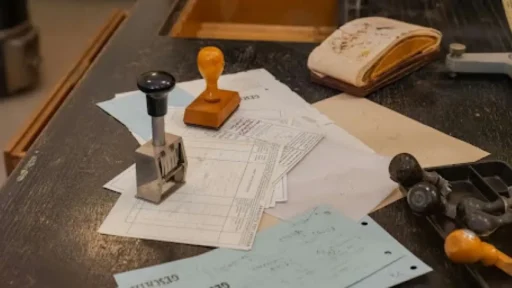




An affiant is a person who signs a written affidavit and swears or affirms, before a notary public or other authorized official, that its contents are true. The term comes from the Medieval Latin word affidare, meaning “to declare under oath,” and it’s distinct from a deponent, who gives oral sworn testimony, and a declarant, whose statement may not require an oath at all.
What Is an Affiant?
An affiant is a person who signs a written, sworn statement and swears or affirms before a notary public or other authorized official that its contents are true. Signing as an affiant is a formal legal act, not a simple signature: it puts the signer’s credibility, and potential perjury liability, directly behind every fact stated in the document.
The word traces back to the Medieval Latin affidare, meaning “to declare under oath,” and shows up constantly in legal documents – in police reports, custody filings, immigration paperwork, and civil litigation, an affidavit almost always identifies its signer specifically as “the affiant” in the document’s own text.
Dictionaries generally define an affiant simply as “one who swears to an affidavit,” sometimes noting it’s broadly similar to a deponent – a reasonable shorthand, though the more precise legal usage in the U.S. reserves “affiant” specifically for someone who signs a written, notarized statement rather than someone giving oral testimony.
Affiant vs. Deponent vs. Declarant: What’s the Difference?
An affiant signs a written affidavit, a deponent gives oral testimony during a deposition, and a declarant makes a formal statement that may or may not require an oath at all – all three involve someone vouching for the truth of a statement, but the format and legal context differ significantly enough that mixing them up can cause real problems in a filing.
| Term | Type of Statement | Where It’s Used |
|---|---|---|
| Affiant | Written, sworn statement (an affidavit), signed before a notary or authorized official | Affidavits used as evidence, support letters, sworn statements of fact |
| Deponent | Oral, sworn testimony (a deposition), recorded by a court reporter | Pre-trial discovery in litigation |
| Declarant | A formal statement (a declaration), which may or may not be sworn or notarized | Unsworn declarations under penalty of perjury, administrative filings |
Some jurisdictions, particularly outside the U.S., use “affiant” and “deponent” interchangeably. In standard U.S. legal usage, the distinction above is the one that matters most: written and sworn versus oral and sworn versus formal but not necessarily sworn.
The declarant category exists partly because of federal law: 28 U.S.C. § 1746 allows an unsworn declaration signed “under penalty of perjury” to substitute for a notarized affidavit in many federal matters. The person who signs one of these is technically a declarant, not an affiant, even though the two documents serve a similar practical purpose.
Which term actually applies to your situation matters more than it might seem, since courts and government agencies sometimes reject a filing that uses the wrong terminology or the wrong type of sworn statement entirely. If a form specifically asks for an “affidavit,” submitting an unsworn declaration in its place – even one that’s otherwise properly executed – can result in the filing being rejected outright.
What Does an Affiant Actually Have to Do?
Becoming an affiant involves more than just signing your name – you have to appear before the notary, verify your identity, take an oath or affirmation, and sign in the notary’s presence, all before the document becomes a valid affidavit.
- Prepare the affidavit’s content in advance, stating the facts you’re personally attesting to are true.
- Appear before a notary public and present valid identification matching the name on the document.
- Take the oath or affirmation the notary administers, confirming you understand you’re swearing to the truth of the statement.
- Sign the affidavit in the notary’s presence – signing beforehand doesn’t satisfy this requirement for a jurat.
- Receive the completed, notarized affidavit, with the notary’s certificate, seal, and signature attached.
Because the affiant’s credibility is what gives an affidavit its legal weight and standing, knowingly signing a false statement as an affiant can constitute perjury – a federal offense under 18 U.S.C. § 1621 carrying up to five years in prison, with state-level perjury statutes imposing similarly serious penalties.
This is also why a notary can’t simply skip the oath step to save time, even when both parties involved are in a hurry to finish. The oath or affirmation isn’t a formality tacked onto the signing – it’s the specific moment that legally transforms a person from someone who merely signed a piece of paper into an affiant who has sworn to its truth, with everything that status implies about their legal exposure if the statement turns out to be false.

Can Anyone Be an Affiant?
Generally, yes – anyone with firsthand knowledge of the facts being sworn to, and who is competent to understand the oath they’re taking, can serve as an affiant. There’s no special license or credential required beyond being the person who actually knows the facts stated in the affidavit, though the notary administering the oath will still verify the affiant’s identity through standard ID checks regardless of the affidavit’s subject matter.
- Firsthand knowledge matters most: an affiant is typically expected to be attesting to things they personally know, not secondhand information.
- Competency is required: the affiant must understand they’re swearing an oath and be capable of doing so knowingly.
- No profession or title is required: police officers, business owners, and private individuals alike routinely serve as affiants for different types of affidavits.
The traditional closing line in many affidavits – “further affiant sayeth naught” – is a centuries-old legal phrase simply meaning the affiant has nothing further to add, and it still appears on affidavit templates in some jurisdictions today, even though the underlying legal concept it closes out hasn’t changed in meaning for hundreds of years.
What disqualifies someone from serving as an affiant has more to do with the substance of their statement than any formal legal barrier: a person testifying to facts they only heard secondhand, or someone who doesn’t genuinely understand they’re taking a legally binding oath, shouldn’t sign as the affiant even if a notary would technically process the paperwork. The strength of an affidavit in court or before an agency depends heavily on the affiant’s actual, personal knowledge of what they’re swearing to, which is part of why opposing parties often challenge an affidavit’s credibility by questioning exactly how the affiant came to know the facts stated in it.
How Do You Become an Affiant for a Notarized Document?
To become an affiant for a document completed through electronic notarization, the same core requirements apply as an in-person signing: you still verify your identity and take the oath live, just over video instead of across a desk from the notary.
- Prepare your affidavit content in advance and leave it unsigned until your session begins.
- Upload the document to your online notarization platform and verify your identity with a government ID scan and a knowledge-based or biometric check.
- Take the oath live on camera, then sign while the notary witnesses electronically.
- Receive your completed affidavit, with the notary’s jurat, seal, and a tamper-evident digital certificate attached.
BlueNotary’s affidavit form templates cover common affidavit types if you need a properly formatted starting point, and remote online notarization sessions typically take about 10 minutes and start at $25 for one signer and one stamp.
See the full notarization process walkthrough for what to expect before your session.
Not sure whether your situation calls for an affidavit, a deposition, or an unsworn declaration? Email BlueNotary directly at [email protected] and the team will help you out.
FAQ Section
Q1. What is an affiant?
A person who signs a written affidavit and swears or affirms, before a notary or authorized official, that its contents are true.
Q2. What’s the difference between an affiant and a deponent?
An affiant signs a written, sworn affidavit. A deponent gives oral sworn testimony during a deposition, typically recorded by a court reporter.
Q3. Is a declarant the same as an affiant?
Not exactly. A declarant makes a formal statement that may not require an oath, while an affiant always swears or affirms before an authorized official.
Q4. Can anyone serve as an affiant?
Generally yes, as long as they have firsthand knowledge of the facts and are competent to understand the oath they’re taking.
Q5. What happens if an affiant lies in a sworn affidavit?
It can constitute perjury, a federal offense under 18 U.S.C. § 1621 carrying up to five years in prison, with similar state-level penalties.
Q6. Can you become an affiant through online notarization?
Yes, in states that authorize remote online notarization. You take the same oath live on camera as you would in person.