





Ever needed to get a document notarized in California but dreaded the hassle of finding a notary public, scheduling an appointment, and driving across town? Online notary California completely transforms that experience. Instead of the traditional paper-and-pen approach, you can now get documents notarized remotely using secure video technology, all from the comfort of your home or office.
Online notary California, also known as Remote Online Notarization (RON), is a digital process that allows California residents and businesses to have documents notarized through a live video session with a commissioned notary public. While Actually The notary verifies your identity using advanced technology, witnesses your signature electronically, and applies their digital seal to complete the notarization—all while maintaining the same legal validity as traditional in-person notarizations.
This guide will walk you through everything you need to know about online notary services in California, from understanding the legal framework to choosing the right platform for your needs. You’ll discover how the process works, what documents can be notarized online, and why this technology is revolutionizing how law firms, real estate agents, and title companies handle critical paperwork.
What Is Online Notary California?
Online notary California represents a fundamental shift in how notarization works in the Golden State. At its core, it’s a legally recognized method of document notarization that uses secure video conferencing technology to connect signers with commissioned notary publics without requiring physical presence.
The Legal Foundation
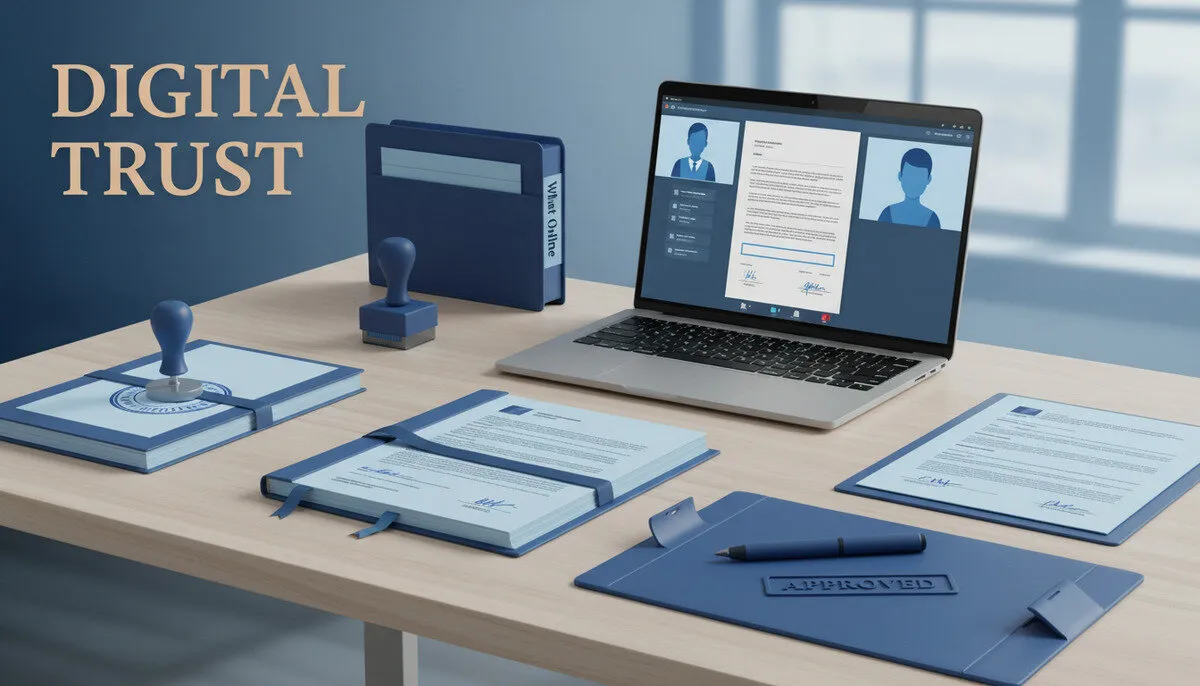
California’s approach to online notarization is built on robust legal frameworks that ensure security and authenticity. The state has established specific requirements for Remote Online Notarization that maintain the integrity of the notarial process while embracing digital convenience. Unlike some states that have rushed into RON without proper safeguards, California has taken a measured approach to ensure that online notary services meet the same rigorous standards as traditional notarizations.
The California Secretary of State oversees the certification and regulation of online notary platforms, ensuring they comply with state-specific requirements for identity verification, record keeping, and security protocols. This regulatory oversight provides confidence that documents notarized online in California will be recognized and accepted across all jurisdictions.
Why It Matters: California’s careful approach to RON legislation means that online notarizations carry the same legal weight as traditional notarizations, giving you confidence that your documents will be accepted by courts, government agencies, and financial institutions.
Key Differences from Traditional Notarization
Traditional notarization requires physical presence—you, the notary, and the document all need to be in the same room at the same time. Online notary California eliminates this geographical constraint while actually enhancing security through advanced identity verification methods that go beyond what’s possible with in-person notarizations.
During an online notary session, multiple layers of identity verification occur simultaneously. The platform analyzes your government-issued ID using sophisticated document authentication technology, conducts knowledge-based authentication questions derived from your personal history, and uses biometric verification to match your live appearance to your identification documents.
The Technology Behind Online Notary California
The backbone of online notary California is a combination of secure video conferencing, digital signature technology, and blockchain-based record keeping. When you participate in a RON session, the entire interaction is recorded and encrypted, creating an tamper-proof audit trail that provides superior evidence compared to traditional notarizations.
Digital certificates and public key infrastructure (PKI) ensure that the notary’s electronic seal cannot be forged or duplicated. Each online notarization creates a unique digital fingerprint that can be verified independently, making fraud detection more reliable than with paper-based processes.
How Online Notary California Works
The process of getting a document notarized online in California follows a structured sequence designed to verify identities, witness signatures, and create legally binding notarized documents. Understanding this process helps you prepare effectively and ensures smooth completion of your notarization needs.
Step 1: Platform Selection and Account Setup
Step 2: Document Upload and Preparation
Once your account is established, you’ll upload the documents requiring notarization. The platform will analyze your documents to ensure they’re suitable for online notarization and identify the specific notarial acts required. Some documents may require multiple signatures or witness attestations, which the system will flag for your attention.
The platform will also check that your documents comply with California’s formatting requirements for online notarization. This includes ensuring adequate space for digital notarial certificates and confirming that all necessary signature blocks are properly positioned.
Step 3: Advanced Identity Verification Process
California’s online notary requirements include multi-factor identity verification that exceeds traditional notarization standards. This process typically involves three distinct verification methods:
- Credential Analysis: Your government-issued ID undergoes sophisticated forensic analysis to detect security features and verify authenticity
- Knowledge-Based Authentication (KBA): You’ll answer questions derived from your personal financial and residential history that only you should know
- Biometric Verification: Facial recognition technology compares your live appearance to your identification documents
This triple-layer verification process provides significantly higher confidence in signer identity than traditional in-person notarizations, where notaries rely primarily on visual inspection of identification documents.
Step 4: Live Video Notarization Session
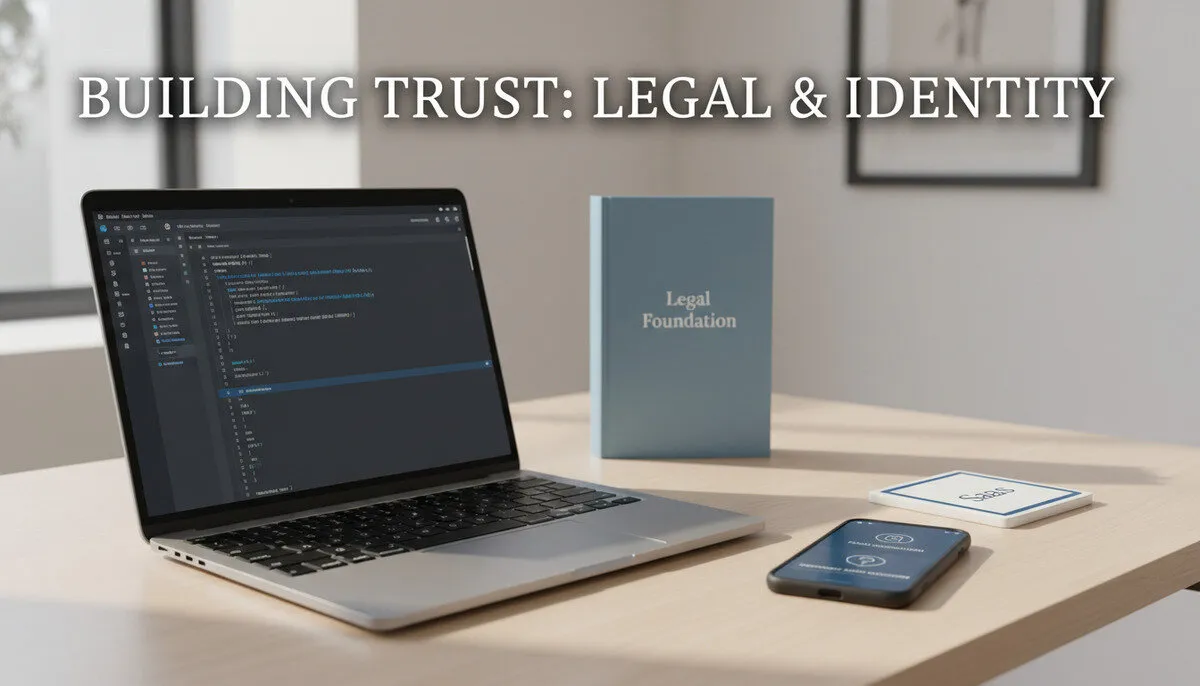
The heart of online notary California is the live video session with a commissioned notary public. During this session, the notary will review your identity verification results, confirm your understanding of the documents being signed, and witness your electronic signatures in real-time.
The notary will also verify that you’re signing voluntarily and understand the nature and consequences of the documents. This personal interaction maintains the human element that’s central to the notarial process while leveraging technology to enhance security and convenience.
Step 5: Digital Seal Application and Completion
After witnessing your signatures, the notary applies their official digital seal to complete the notarization. This digital seal is cryptographically secured and includes timestamp information, creating an tamper-evident record of the notarial act. The completed documents are then available for immediate download and use.
The entire session is recorded and stored securely, creating a comprehensive audit trail that provides superior evidence compared to traditional paper notarizations. This recording serves as permanent proof of the notarial act and can be accessed if questions arise about the validity of the notarization.
Key Takeaway: The digital nature of online notary California actually provides more robust evidence of proper notarization than traditional methods, with encrypted recordings and digital audit trails that cannot be altered or lost.
Key Components of Online Notary California
Understanding the essential elements that make online notary California possible helps you appreciate both the security and convenience of this technology. Each component plays a crucial role in maintaining the integrity of the notarial process while enabling remote access.
Identity Verification Technology
The foundation of secure online notarization rests on advanced identity verification systems that combine multiple authentication methods. These systems use artificial intelligence and machine learning to analyze identification documents with greater precision than human visual inspection alone.
Document authentication technology examines security features like watermarks, microprinting, and holographic elements that are invisible to casual observation. The system compares these features against known templates for authentic documents, flagging any discrepancies that might indicate fraud or forgery.
Knowledge-Based Authentication (KBA) draws from extensive databases of personal information to generate questions that only the legitimate document holder should be able to answer. These questions might reference previous addresses, loan amounts, or other financial details that aren’t publicly available but are part of your personal credit and residential history.
Expert Tip: The KBA questions are designed to be challenging enough to prevent fraud while remaining answerable by legitimate signers. If you encounter difficulty with these questions, it’s often because the databases contain outdated information, not because of any problem with your identity.
Secure Video Conferencing Infrastructure
Online notary California relies on enterprise-grade video conferencing technology that provides clear audio and video quality while maintaining security standards required for legal proceedings. The video platform must meet specific requirements for encryption, recording quality, and reliability to ensure that the notarial session can be properly documented and verified.
The video system captures high-definition footage of both the signer and the notary, creating a permanent record of the interaction. This recording serves multiple purposes: it provides evidence of proper identity verification, documents the signer’s voluntary participation, and creates a backup record in case questions arise about the validity of the notarization.
Digital Signature and Seal Technology
Electronic signatures in online notary California use Public Key Infrastructure (PKI) technology to create unique digital fingerprints that cannot be forged or replicated. When you sign a document electronically during a RON session, the system creates a mathematical hash of the document that changes if any alterations are made after signing.
The notary’s digital seal uses similar cryptographic technology, but with additional layers of security that tie the seal to the notary’s commission and the specific notarial act being performed. This digital seal includes timestamp information, location data, and other metadata that provides comprehensive documentation of the notarization.
Audit Trail and Record Keeping Systems
California requires that online notary platforms maintain detailed records of all notarization sessions, including video recordings, identity verification results, and document handling logs. These records must be stored securely and made available for verification purposes for specified retention periods.
The audit trail created during online notarization is far more comprehensive than traditional notarization records. While paper notarizations typically result in only a brief journal entry, online notarizations generate detailed logs of every action taken during the session, from initial identity verification through final document delivery.
Comparison of Verification Methods
| Verification Type | Traditional Notary | Online Notary California | Security Level |
|---|---|---|---|
| ID Inspection | Visual review only | AI-powered forensic analysis | Higher online |
| Identity Confirmation | Basic appearance match | Biometric facial recognition | Higher online |
| Knowledge Verification | Rarely used | Comprehensive KBA questions | Much higher online |
| Session Documentation | Journal entry only | Full video recording + metadata | Much higher online |
| Fraud Detection | Human observation | Multi-layered AI analysis | Higher online |
This comparison illustrates how online notary California actually provides superior security compared to traditional methods, despite common misconceptions about digital processes being less secure than paper-based ones.
Benefits and Use Cases for Online Notary California
Online notary California delivers significant advantages across multiple dimensions, from convenience and security to cost-effectiveness and accessibility. These benefits make it particularly valuable for specific use cases where traditional notarization creates barriers or inefficiencies.
Enhanced Convenience and Accessibility
The most immediate benefit of online notary California is the elimination of scheduling and travel constraints. Traditional notarization often requires coordinating three schedules—yours, the notary’s, and potentially other parties involved in the transaction. Online notarization reduces this complexity by making notary services available on-demand, often with same-day or even immediate availability.
This convenience proves especially valuable for time-sensitive transactions where delays could have significant consequences. Real estate closings, legal filings with court deadlines, and business agreements with execution timelines all benefit from the rapid turnaround possible with online notarization.
For individuals with mobility limitations, chronic illnesses, or transportation challenges, online notary California provides access to notarial services that might otherwise be difficult or impossible to obtain. This accessibility extends to rural areas where notary publics may be scarce or require long-distance travel to reach.

Superior Security and Fraud Prevention
Contrary to common assumptions, online notary California actually provides enhanced security compared to traditional notarization methods. The multi-layered identity verification process includes sophisticated document authentication that can detect forgeries and alterations that might fool human visual inspection.
The comprehensive audit trail created during online notarization provides superior evidence for legal proceedings. Traditional notarizations rely primarily on the notary’s memory and brief journal entries, while online notarizations generate detailed video records, identity verification logs, and digital forensic evidence that can be independently verified.
Biometric verification adds another layer of security that’s impossible with traditional notarization. Facial recognition technology can detect attempts to use false identification or impersonate legitimate signers, providing protection that goes beyond what human observation can achieve.
Key Insight: The digital nature of online notary California creates multiple redundant security measures that work together to prevent fraud more effectively than any single traditional verification method.
Cost-Effectiveness for Businesses
For businesses that regularly require notarization services, online notary California can deliver substantial cost savings. Traditional notarization often involves employee time for travel, waiting, and coordination, plus direct costs for notary fees and potentially mobile notary premiums.
Online notarization eliminates travel time and reduces the total time investment required for each notarial act. This efficiency translates to direct cost savings, especially for businesses that handle high volumes of notarized documents or operate across multiple locations.
The ability to complete notarizations outside standard business hours provides additional value for businesses operating in different time zones or serving clients with varying schedules. This flexibility can improve customer satisfaction and accelerate transaction completion times.
Specific Use Cases by Industry
Law firms benefit from online notary California when handling client documents across multiple jurisdictions, managing estate planning for elderly or mobility-limited clients, and processing time-sensitive legal filings. The enhanced audit trail provides additional protection in litigation contexts where document authenticity might be challenged.
Real estate professionals use online notarization for purchase agreements, listing contracts, and disclosure documents, especially when working with out-of-state buyers or sellers. The ability to complete notarizations remotely can prevent transaction delays and reduce the complexity of coordinating closing schedules.
Title companies leverage online notary California for processing large volumes of documents efficiently while maintaining detailed records for compliance purposes. The digital audit trail simplifies quality control and provides comprehensive documentation for regulatory reviews.
Healthcare organizations utilize online notarization for advance directives, healthcare power of attorney documents, and HIPAA authorizations, particularly when serving patients who cannot easily travel to medical facilities.
Geographic and Temporal Flexibility
Online notary California eliminates geographic constraints that can complicate traditional notarization. Parties located in different cities, states, or even countries can participate in the same notarization session, enabling business transactions that would otherwise require expensive travel or complex coordination.
The 24/7 availability of many online notary platforms provides temporal flexibility that traditional notary services cannot match. This around-the-clock access proves especially valuable for urgent transactions, international business dealings across time zones, and situations where traditional business hours don’t align with transaction needs.
Pro Tip: When working with clients in different time zones, online notary California allows you to schedule sessions at mutually convenient times without worrying about finding a local notary in each participant’s location.
Common Misconceptions About Online Notary California
Despite the growing acceptance and legal recognition of online notarization, several persistent misconceptions continue to create confusion and hesitation among potential users. Understanding and addressing these misconceptions is crucial for making informed decisions about when and how to use online notary services.
Misconception: Online Notarization Is Less Secure
One of the most prevalent misconceptions is that digital processes are inherently less secure than paper-based traditional notarization. This belief often stems from general cybersecurity concerns and unfamiliarity with the sophisticated security measures employed in online notary platforms.
In reality, online notary California employs multiple security layers that exceed the protection available through traditional notarization. While traditional notaries rely primarily on visual inspection of identification documents, online platforms use AI-powered document authentication that can detect sophisticated forgeries and alterations invisible to human observation.
The comprehensive digital audit trail created during online notarization provides superior evidence compared to traditional methods. Paper notarizations typically result in only brief journal entries that rely on the notary’s memory and handwritten notes, while online notarizations generate detailed video recordings, identity verification logs, and cryptographic evidence that can be independently verified years later.
Key Takeaway: The question isn’t whether online notarization is as secure as traditional methods—it’s actually more secure due to multiple redundant verification systems and comprehensive documentation that traditional notarization cannot provide.
Misconception: Online Notarizations Aren’t Legally Valid
Some people believe that documents notarized online carry less legal weight or won’t be accepted by courts, government agencies, or financial institutions. This misconception often arises from confusion about the legal status of electronic signatures and digital documents in general.
California law explicitly recognizes online notarizations as legally equivalent to traditional notarizations when performed through approved platforms and following prescribed procedures. The Uniform Electronic Transactions Act and the Electronic Signatures in Global and National Commerce Act provide federal backing for electronic notarizations, ensuring interstate recognition and acceptance.
Courts, government agencies, and financial institutions increasingly prefer digitally notarized documents because they provide superior evidence of authenticity and cannot be easily altered or forged. The comprehensive audit trail and cryptographic security features actually make online notarizations more reliable for legal proceedings than traditional paper documents.
Misconception: The Process Is Complicated and Time-Consuming
Many people assume that online notarization involves complex technology setup, lengthy verification processes, or technical difficulties that make it more cumbersome than traditional notarization. This misconception often prevents people from exploring online options even when they would provide significant benefits.
Modern online notary platforms are designed for user-friendliness, with intuitive interfaces that guide users through each step of the process. The technology requirements are minimal—typically just a computer or mobile device with internet access, a camera, and a microphone that most people already have available.
The actual time required for online notarization is often shorter than traditional methods when you factor in travel time, waiting, and scheduling coordination. Identity verification that might seem lengthy during your first online session becomes routine and rapid for subsequent notarizations as the platform learns to recognize you.
Misconception: Online Notary Is Only for Tech-Savvy Users
Another common misconception is that online notarization requires advanced technical skills or comfort with complex digital tools. This belief can prevent older adults or less tech-oriented individuals from accessing the convenience and benefits of online notary services.
Online notary platforms are specifically designed to accommodate users with varying levels of technical expertise. Most platforms provide live customer support during sessions, step-by-step guidance, and simple interfaces that require no special technical knowledge. The video conferencing technology is similar to familiar applications like FaceTime or Zoom that many people already use regularly.
Many users find that online notarization is actually easier than coordinating traditional notarization appointments, especially when customer support representatives can provide real-time assistance with any technical questions that arise during the session.
Misconception: All Documents Can Be Notarized Online
While online notary California supports a wide range of document types, some people incorrectly assume that every document requiring notarization can be handled through online platforms. This misconception can lead to disappointment when certain specialized documents require traditional notarization methods.
California law specifies which types of documents are eligible for online notarization, and some documents—such as certain real estate deeds, wills, and court filings—may require traditional notarization depending on specific circumstances and local requirements. Understanding these limitations helps set appropriate expectations and ensures compliance with legal requirements.
However, the vast majority of commonly notarized documents—including powers of attorney, affidavits, contracts, and most business agreements—are fully supported by online notary platforms and benefit from the enhanced security and convenience of digital notarization.
Expert Tip: When in doubt about whether a specific document can be notarized online, consult with the online notary platform or legal counsel before proceeding. Most platforms can quickly determine eligibility and suggest alternatives when online notarization isn’t appropriate.
Best Practices for Using Online Notary California
Maximizing the benefits of online notary California requires understanding how to prepare effectively, choose appropriate platforms, and navigate the process efficiently. Following established best practices ensures smooth sessions and optimal outcomes for all parties involved.
Preparation and Document Readiness
Successful online notarization begins with proper preparation before your scheduled session. Review your documents carefully to ensure they’re complete, properly formatted, and ready for notarization. Incomplete or improperly prepared documents can cause delays and may require rescheduling your notarization session.
Verify that you have all required identification documents readily available. California online notary requirements specify acceptable forms of identification, typically including driver’s licenses, passports, or state-issued identification cards. Ensure your ID is current and not expired, as expired identification may not be accepted by verification systems.
Test your technology setup in advance of your notarization session. Verify that your camera and microphone are working properly, your internet connection is stable, and you have adequate lighting for clear video communication. Many platforms offer technical check tools that allow you to test these components before your actual session.
Pro Tip: Complete your account setup and identity verification during off-peak hours when you’re not under time pressure. This preparation allows you to address any technical issues or verification challenges without delaying urgent notarizations.
Choosing the Right Platform
Not all online notary platforms offer the same features, security levels, or user experience. Research available options to find a platform that meets your specific needs and complies with California’s requirements for online notarization. Look for platforms that are properly licensed, maintain appropriate insurance coverage, and have established track records of reliable service.
Consider the types of documents you’ll be notarizing and whether the platform supports your specific use cases. Some platforms specialize in particular industries or document types, while others offer more general-purpose notarization services. BlueNotary, for example, provides comprehensive solutions specifically designed for law firms, real estate professionals, and title companies.
Evaluate the platform’s customer support options, especially if you anticipate needing assistance during sessions. Platforms that offer live support during notarization sessions can help resolve technical issues or answer questions that arise during the process.
Security and Privacy Considerations
While online notary platforms implement robust security measures, you can take additional steps to protect your privacy and ensure secure handling of sensitive documents. Use secure internet connections rather than public Wi-Fi when participating in notarization sessions, as public networks may not provide adequate security for confidential business transactions.
Choose a private location for your notarization session where confidential information won’t be overheard by unauthorized individuals. The video recording requirements for online notarization mean that your session location will be documented, so select an appropriate professional environment.
Review the platform’s privacy policies and data retention practices to understand how your personal information and session recordings will be handled. Reputable platforms will clearly explain their security measures and compliance with relevant privacy regulations.
Optimizing the User Experience
Schedule your notarization sessions during times when you can focus completely on the process without interruptions. While online notarization is convenient, it still requires your full attention to ensure proper completion of all required steps.
Prepare any questions you have about the documents or notarization process in advance. The live notary can answer questions about the notarial process, but they cannot provide legal advice about the content or implications of your documents.
Keep backup copies of important documents in case technical issues arise during transmission or storage. While online notary platforms maintain secure records, having your own copies provides additional protection and immediate access when needed.
Communication and Coordination
When multiple parties need to participate in the same notarization session, coordinate schedules in advance and ensure all participants understand the technology requirements and process flow. Provide clear instructions about how to access the session and what to expect during the notarization process.
Communicate clearly with the notary about any special requirements or unusual circumstances related to your documents. While notaries are trained to handle various situations, advance notice about complex documents or special circumstances helps ensure smooth session completion.
Establish clear expectations with other parties about document delivery timelines and next steps after notarization completion. Online notarization enables rapid document turnaround, but coordinating subsequent actions may still require planning and communication.
Key Insight: The efficiency gains from online notarization are maximized when all participants come prepared and understand their roles in the process. A few minutes of advance preparation can save significant time and prevent delays during the actual session.
Common Questions About Online Notary California
Can any document be notarized online in California?
Not all documents are eligible for online notarization in California, though the vast majority of commonly notarized documents are supported. California law specifically authorizes online notarization for most standard documents including contracts, affidavits, powers of attorney, loan documents, and business agreements.
However, certain documents may require traditional notarization depending on specific legal requirements or institutional policies. Some real estate deeds, court filings, and estate planning documents may have restrictions that require in-person notarization. Additionally, some financial institutions or government agencies may have internal policies that require traditional notarization even when online notarization is legally permissible.
When in doubt, check with the receiving party or institution to confirm their acceptance of online notarized documents. Most modern organizations readily accept online notarizations, but confirming acceptance in advance prevents potential delays or rejections.
The trend is clearly toward broader acceptance of online notarization as institutions recognize the superior security and audit trail provided by digital processes. Many organizations that initially required traditional notarization have updated their policies to accept online notarizations as they’ve gained experience with the technology.
How much does online notary California cost?
Online notary fees in California are generally competitive with traditional notary services, and often provide better value when you factor in time savings and convenience. Most platforms charge per notarization, with fees typically ranging from $15 to $35 per notarial act, depending on the platform and any additional services required.
Some platforms offer subscription models or volume discounts for businesses that regularly require notarization services. These options can provide significant cost savings for law firms, real estate agencies, or other organizations with high-volume notarization needs.
The total cost comparison should include time savings and eliminated travel expenses. When you factor in the value of time saved by avoiding travel and waiting, plus potential savings on mobile notary fees for urgent services, online notarization often provides superior value even when the base fees are similar to traditional services.
Many platforms also offer transparent pricing with no hidden fees, unlike some traditional notary services that may charge additional fees for travel, after-hours service, or complex documents.
Is online notarization accepted in other states?
Documents notarized online in California are generally accepted in other states thanks to interstate recognition laws and the Uniform Electronic Transactions Act. The legal principle of interstate recognition means that notarizations performed legally in one state must be accepted as valid in other states.
However, some states have specific requirements or restrictions that may affect acceptance of out-of-state online notarizations. If you’re planning to use California online notarized documents in another state, it’s wise to verify acceptance with the receiving institution or consult with legal counsel familiar with the destination state’s requirements.
The trend is toward broader acceptance as more states adopt their own online notarization laws and become familiar with the security benefits of digital notarization. Federal legislation has also been proposed to standardize interstate recognition of online notarizations, which would eliminate any remaining uncertainty about cross-state acceptance.
For international use, acceptance varies by country and specific use case. Many countries that accept U.S. notarizations will accept online notarizations, but some may require additional authentication or apostille services depending on the document type and intended use.
What happens if there are technical problems during the session?
Reputable online notary platforms have protocols in place to handle technical difficulties that may arise during notarization sessions. Most platforms offer live technical support that can assist with connection issues, audio/video problems, or other technical challenges in real-time.
If technical problems prevent completion of the notarization session, most platforms will reschedule your session at no additional charge and may offer priority scheduling to minimize delays. The session recordings and identity verification results are typically saved, so you won’t need to repeat the entire process from the beginning.
Some platforms provide backup communication methods, such as phone support or alternative video conferencing options, to ensure session completion even when primary systems experience difficulties. The goal is to complete your notarization without requiring you to start over or seek alternative notary services.
For critical time-sensitive documents, consider scheduling your online notarization session with extra time before any deadlines to accommodate potential technical delays. Most technical issues can be resolved quickly, but having buffer time provides peace of mind for urgent transactions.
How long are online notarization records kept?
California requires online notary platforms to maintain comprehensive records of notarization sessions for specified retention periods, typically ranging from 5 to 10 years depending on the type of record and specific legal requirements. These records include video recordings of sessions, identity verification results, and detailed audit logs of all actions taken during the notarization process.
The extended retention periods for online notarization records actually exceed the requirements for traditional notarization journals, providing superior long-term documentation for legal purposes. This comprehensive record keeping proves especially valuable if questions arise about document authenticity or notarization procedures years after the original transaction.
Platform-specific retention policies may exceed minimum legal requirements, with some providers maintaining records for even longer periods to provide additional protection for their users. These extended retention periods provide peace of mind that documentation will be available if needed for legal proceedings or verification purposes.
Access to historical records is typically available through the platform’s user interface, allowing you to retrieve copies of notarized documents or verification information when needed. Some platforms also provide certified copies or verification letters that can be used as evidence of proper notarization in legal proceedings.
Can I notarize documents for family members online?
Online notarization follows the same conflict-of-interest rules as traditional notarization, which generally prohibit notaries from notarizing documents for family members, spouses, or other parties where the notary has a financial interest in the transaction. These rules apply regardless of whether the notarization is performed online or in person.
However, you can certainly use online notary services to have documents notarized for family members by independent notaries who don’t have conflicts of interest. The online platform connects you with commissioned notaries who can provide impartial notarization services for your family’s documents.
This arrangement actually provides advantages over trying to find traditional notary services for family documents, as online platforms can quickly connect you with available notaries without the potential awkwardness of asking friends or colleagues to provide notary services for personal family matters.
The identity verification and audit trail provided by online notarization also provides superior documentation for family legal documents, which can be especially important for estate planning, healthcare directives, and other documents that may be scrutinized during emotionally difficult times.
Conclusion
Online notary California represents a significant advancement in how notarization services are delivered, offering enhanced security, convenience, and accessibility while maintaining full legal validity. The sophisticated identity verification processes, comprehensive audit trails, and digital security measures actually provide superior protection compared to traditional notarization methods.
Ready to experience the benefits of secure online notarization for your business? Get started with BlueNotary and discover how modern notarization technology can streamline your document processes while providing enhanced security and legal compliance.